
Are Teaching Hospitals Attached to the Medical Colleges in Bangladesh?
Are Teaching Hospitals Attached to the Medical Colleges in Bangladesh?
One of the biggest questions for medical aspirants considering MBBS in Bangladesh is whether medical colleges have attached teaching hospitals. This is crucial because the quality of medical education largely depends on the amount of real clinical experience students gain during their studies.
In Bangladesh, medical education is structured around integrated hospital-based training, ensuring that every recognized medical college has a teaching hospital attached to it. This model allows students to learn both in classrooms and through practical exposure in hospital settings under the guidance of experienced doctors.
Teaching Hospitals in Bangladesh – The Foundation of Medical Training
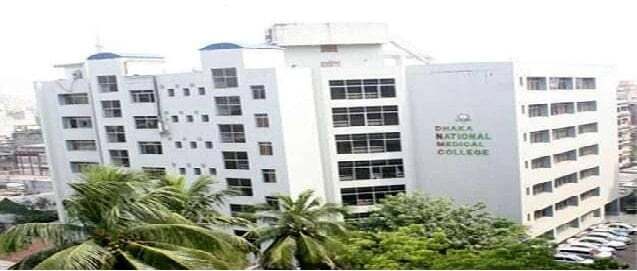
Every government and private medical college in Bangladesh is affiliated with a teaching hospital as mandated by the Bangladesh Medical and Dental Council (BMDC). These hospitals serve as the main centers for students’ clinical training, internship, and patient interaction.
| Type of Institution | Attached Hospital | Typical Bed Strength | Level of Care |
|---|---|---|---|
| Government Medical Colleges | Yes | 500–1,000+ beds | Tertiary (Specialized Units) |
| Private Medical Colleges | Yes | 250–600+ beds | Secondary to Tertiary |
| Specialized Institutes | Yes | 300–800 beds | Focused Specialty Care |
These teaching hospitals are integral to the MBBS curriculum. They provide students access to various departments such as Medicine, Surgery, Pediatrics, Obstetrics & Gynecology, ENT, Orthopedics, Psychiatry, and Emergency Care.
Why Attached Teaching Hospitals Are Important?
1. Real-World Clinical Training
Students learn how to diagnose, manage, and treat patients through daily rounds, outpatient services, and emergency care. This hands-on experience transforms theoretical understanding into practical competence.
2. Early Patient Exposure
From the second or third year onward, students begin their clinical postings in these hospitals, observing real patient cases and learning through bedside teaching.
3. Faculty Supervision
Each department is led by experienced professors and specialists who guide students through case discussions, demonstrations, and minor procedures.
4. FMGE/NEXT Readiness
The exposure to a wide range of cases prepares Indian students for the Foreign Medical Graduate Exam (FMGE) and future NEXT exams, which emphasize practical and clinical skills.
5. Internship Opportunities
After completing the academic MBBS course, students undergo a one-year internship at these hospitals, where they perform supervised duties in various departments.
Examples of Teaching Hospitals Attached to Top Medical Colleges
| Medical College | City | Attached Hospital | Approx. Bed Strength |
|---|---|---|---|
| Dhaka Medical College | Dhaka | Dhaka Medical College Hospital | 2,600+ |
| Sir Salimullah Medical College | Dhaka | Mitford Hospital | 1,200+ |
| Mymensingh Medical College | Mymensingh | Mymensingh Medical College Hospital | 1,000+ |
| Chittagong Medical College | Chittagong | Chittagong Medical College Hospital | 1,200+ |
| Rajshahi Medical College | Rajshahi | Rajshahi Medical College Hospital | 900+ |
| Enam Medical College | Savar, Dhaka | Enam Medical College Hospital | 600+ |
| Community Based Medical College | Mymensingh | CBMCB Hospital | 400+ |
These institutions are known for providing vast patient exposure due to the high population density of Bangladesh, ensuring a wide case variety for students.
Benefits for MBBS Students in Attached Hospitals
-
Comprehensive Learning Environment: Integrated learning between classrooms and hospital wards.
-
High Patient Flow: Thousands of patients visit these hospitals daily, offering diverse case studies.
-
Multidisciplinary Exposure: Students experience all medical and surgical specialties.
-
Use of Modern Equipment: Most teaching hospitals are equipped with advanced diagnostic tools like CT, MRI, and digital labs.
-
Emergency & ICU Training: Students gain real-time experience in emergency medicine and critical care units.
Difference Between Government and Private Medical Colleges
| Aspect | Government Colleges | Private Colleges |
|---|---|---|
| Patient Load | Very High | Moderate to High |
| Bed Strength | 800–1,000+ | 300–600 |
| Clinical Facilities | Extensive and Well-Established | Modern but Smaller Scale |
| Internship Quality | Strong and Supervised | Structured and Monitored |
| Fee Structure | Low | Moderate |
While both types of colleges ensure hospital-based learning, government medical colleges often offer higher patient inflow, resulting in more case exposure.
How Students Benefit from Attached Teaching Hospitals?
-
Learning Through Observation and Practice
Students not only observe treatments but also assist in patient care, gaining confidence for real-world practice. -
Community Health Involvement
Many colleges conduct rural health camps and vaccination drives, allowing students to experience preventive medicine firsthand. -
Skill Enhancement
Students learn essential clinical skills—vital sign monitoring, injections, wound dressing, and emergency response. -
Integration with Theory
The hospital environment helps students connect textbook knowledge with real patient scenarios. -
Exposure to Various Diseases
Due to the diverse population, students encounter a wide range of diseases—infectious, chronic, and surgical.
Challenges and Areas for Improvement
-
Some smaller private colleges may have limited hospital facilities or fewer patient numbers.
-
In certain regions, overcrowding in hospitals can make individual hands-on training more competitive.
-
Students may need to adjust to the language barrier, as most patients speak Bengali.
However, these challenges are minor compared to the overall benefits of Bangladesh’s teaching hospital system.
Frequently Asked Questions
1. Are all medical colleges in Bangladesh required to have teaching hospitals?
Yes, according to BMDC regulations, every medical college must have its own attached teaching hospital for clinical training.
2. How large are these hospitals typically?
Most have between 300 and 1,000 beds, with government hospitals often having even more.
3. When do students start attending hospital rotations?
Clinical rotations generally begin from the third year of the MBBS program and continue through the internship.
4. What kind of cases do students see?
Students experience both common and complex medical, surgical, pediatric, and gynecological cases.
5. Can international students work with real patients?
Yes, international students are given equal opportunities for patient exposure and supervised clinical practice.
Conclusion
Yes, every medical college in Bangladesh has an attached teaching hospital — a vital part of its MBBS curriculum. These hospitals form the backbone of clinical education, ensuring students receive practical experience alongside classroom learning.
With thousands of patients daily, diverse medical cases, and strong faculty supervision, students develop the skills, confidence, and competence needed to become successful doctors.