

MBBS in Kazakhstan has become a popular and affordable option for Indian students looking to pursue MBBS abroad in a globally recognized and cost-effective environment. With NMC-approved medical universities, English-medium instruction, and a simplified admission process, MBBS in Kazakhstan for Indian students is a perfect blend of academic quality and affordability. The Kazakhstan MBBS curriculum is aligned with international standards, making it ideal for students aiming to clear FMGE/NExT or pursue PG studies abroad. The average MBBS in Kazakhstan fees range from ₹15 to ₹25 lakhs for the entire course, which is significantly lower than private medical colleges in India. With modern infrastructure, Indian mess facilities, high FMGE passing ratios, and strong clinical exposure, Kazakhstan medical universities such as Astana Medical University, Kazakh National Medical University, and South Kazakhstan Medical Academy are among the top medical colleges in Kazakhstan. This guide covers everything you need to know about Kazakhstan MBBS eligibility, course duration, hostel accommodation, Indian food, visa process, and how to apply through trusted advisors like University Insights. Discover why MBBS in Kazakhstan without donation is an excellent choice for NEET-qualified aspirants planning for 2026-27 intake.
Kazakhstan, located in Central Asia, is the world’s largest landlocked country and boasts a unique blend of cultures, landscapes, and modernity. It features vast steppes, majestic mountains, and an array of cultural influences due to its history as a crossroads of trade. For Indian students, Kazakhstan is conveniently accessible, with direct flights connecting major cities like New Delhi to Almaty and Nur-Sultan (Astana).
| Category | Details |
|---|---|
| Capital | Nur-Sultan (formerly Astana) |
| Official Language | Kazakh and Russian |
| Currency | Kazakhstani Tenge (KZT) |
| Number of Universities | Approximately 30 universities offering MBBS |
| Average Tuition Fees for MBBS | INR 2.5 lakhs to 4 lakhs per year |
| Cost of Living in Kazakhstan | INR 12,000 to 25,000 per month |
| Minimum and Maximum Temperature | -40°C to +30°C (depending on the season) |
| Exchange Rates to INR | 1 KZT ≈ 0.23 INR (approximate) |
| Climate | Continental climate with cold winters and hot summers |
Kazakhstan’s culture is rich and varied, heavily influenced by its nomadic heritage and Soviet past. The country is known for its hospitality, and students often find a supportive community among local residents and fellow international students. The proximity of Kazakhstan to India, both geographically and culturally, makes it a comfortable environment for Indian students. With a growing Indian diaspora, students can easily connect with others from their home country, further easing the transition.
Studying MBBS in Kazakhstan offers Indian students a unique opportunity to receive high-quality education at a fraction of the cost compared to other countries. With its top-ranked medical universities, supportive international community, and rich cultural experience, Kazakhstan stands out as a premier destination for aspiring medical professionals. As more Indian students seek global opportunities in medicine, Kazakhstan’s appeal is likely to continue growing, making it a wise choice for those looking to study abroad.
The educational system in Kazakhstan is robust, particularly in the medical field. Top universities, such as the Kazakh National Medical University, Al-Farabi Kazakh National University, and Astana Medical University, are recognized for their rigorous training programs. These institutions follow a curriculum that is comparable to Western standards, integrating theoretical knowledge with practical skills. The Kazakh National Medical University, for example, offers a six-year MBBS program, which includes a mandatory one-year internship, ensuring that students gain real-world experience in various medical settings
Studying MBBS in Kazakhstan offers a plethora of advantages, particularly for Indian students seeking an accessible and affordable medical education. As students navigate the challenges of qualifying for NEET exams and the escalating fees associated with medical studies in India, Kazakhstan emerges as a favorable alternative. The country boasts a robust educational framework and provides an enriching environment for international students.
Medical degrees from universities such as the Kazakh National Medical University and South Kazakhstan Medical Academy are accredited and recognized globally. Graduates can take licensing exams to practice medicine in various countries, enhancing their career opportunities. This recognition is crucial for students who wish to pursue MBBS from Kazakhstan and aim for international employment.
One of the most significant draws for students is the affordable cost of studying MBBS in Kazakhstan. Tuition fees are considerably lower than those in Indian medical colleges, making it an attractive option for students from diverse financial backgrounds. The fee structure for MBBS in Kazakhstan varies depending on the university, but it generally remains accessible, allowing students to manage their finances effectively.
Kazakhstan’s medical universities are equipped with modern facilities and advanced medical infrastructure, providing students with a comprehensive education in medical sciences. This exposure is critical for aspiring doctors as they learn in environments that simulate real-world medical practice.
The educational environment in Kazakhstan is enriched by a diverse cultural landscape. Students from various countries come to study, creating a multicultural atmosphere that fosters collaboration and understanding among future healthcare professionals. This exposure prepares students for a global medical career, as they learn to interact with peers from different backgrounds.
Kazakhstan encourages students to engage in research initiatives, providing them with valuable opportunities to contribute to the field of medicine. The country’s medical colleges often collaborate with international institutions, enabling students to participate in cutting-edge research projects and gain practical experience.
Kazakhstan has emerged as an attractive destination for Indian students pursuing their MBBS due to its combination of affordable tuition fees, high-quality medical education, and a supportive environment. The presence of prestigious institutions like the Kazakh National Medical University, which is recognized by global medical bodies, enhances its appeal.
Many universities in Kazakhstan offer MBBS programs taught entirely in English, which eliminates language barriers for international students, especially those from India. This allows students to focus on their medical studies without the added pressure of learning a new language
Kazakhstan has a significant population of international students, including around 5,000 Indian students. The universities provide a welcoming environment with resources to assist Indian students in adapting to their new surroundings. Various cultural activities and student organizations help foster a sense of community
The cost of studying MBBS in Kazakhstan is significantly lower compared to private medical colleges in India. Tuition fees range from approximately USD 3,000 to USD 5,000 annually, depending on the university. Moreover, there are no hidden charges like donation fees, making it an economically feasible option for students from diverse financial backgrounds
Kazakhstan’s medical universities are gaining recognition for their quality of education, which adheres to international standards. The country’s medical education system is well-structured, with a strong emphasis on practical training and hands-on experience. As a result, students graduating from these institutions are well-prepared for global medical careers.
Kazakhstan offers a blend of modern and traditional cultures, making it easier for Indian students to acclimatize. The country’s proximity to India and shared cultural values enhance the living experience for Indian students, making it a preferred choice for pursuing medical studies abroad The combination of low fees, quality education, and a supportive environment makes Kazakhstan an excellent choice for Indian students looking to pursue their MBBS in 2025-26. The straightforward admission process, along with the availability of scholarships, further facilitates this journey for aspiring medical professionals
5The MBBS admission process in Kazakhstan is a streamlined procedure designed to help international students, including Indian students, pursue a career in medicine. Kazakhstan offers quality medical education at affordable rates, and the medical universities in Kazakhstan are recognized by global medical bodies such as the World Health Organization (WHO) and the Medical Council of India (MCI). The admission process typically begins with meeting the eligibility criteria and preparing the necessary documents to secure a place in top medical universities in Kazakhstan.
Required Documents:
The application process for studying MBBS in Kazakhstan involves several steps. Here’s a breakdown of the key points:
Note* Application Deadlines: The MBBS admission process in Kazakhstan typically begins in June or July each year, with application deadlines extending to September. However, it’s advisable to check individual university timelines as they may vary.
After securing admission to a medical university in Kazakhstan, students must apply for a student visa. Below are the steps and requirements for obtaining a visa:
Visa Type: Apply for a Kazakhstan student visa (Type C9) which is issued to foreign students who wish to study in Kazakhstan.
Documents Required for Visa Application:
Visa Processing Time: The processing time for the visa is typically between 2-4 weeks, so students should apply well in advance to avoid any delays.
Visa Renewal: Since the MBBS program in Kazakhstan typically spans 5-6 years, students will need to renew their visa annually, which can be done through the university’s administrative office.
| Step | Details |
|---|---|
| Eligibility Criteria | 12th pass with 50% in PCB, NEET qualification mandatory for Indian students |
| Required Documents | 10th/12th mark sheets, NEET scorecard, passport, photos, birth certificate, medical certificate |
| Application Process | Online submission to the university, offer letter issuance, fee payment |
| Visa Requirements | Valid passport, invitation letter, visa application form, health certificate, tuition fee receipt |
| Key Application Deadlines | June to September (depending on the university) |
| Visa Processing Time | 2-4 weeks |
| Top Universities in Kazakhstan | Kazakh National Medical University, South Kazakhstan Medical Academy, etc. |
Kazakhstan offers affordable options for Indian students to pursue MBBS. The cost of studying MBBS here ranges between ₹15 to ₹40 lakhs, depending on the medical university. Here’s a detailed breakdown of the costs:
The tuition fees range from ₹2.75 lakhs to ₹7 lakhs per year, making it one of the most cost-effective destinations for Indian students. Over the 5 years of study and 1 year of mandatory internship, this amounts to approximately ₹15 lakhs to ₹40 lakhs in total.
Apart from tuition fees, students need to consider:
| Fee Category | Amount (INR) | Amount (USD) |
|---|---|---|
| Tuition Fees (Per Year) | 3,00,000 – 5,00,000 | 3600 – 5700 |
| Hostel Fees (Per Year) | 50,000 – 65,000 | 600 – 800 |
| Food (Per Month) | 8,500 – 12,500 | 100 – 150 |
| Medical Insurance (Per Year) | 12,500 – 17,000 | 150 – 200 |
| Books and Supplies (Per Year) | 25,000 – 42,000 | 300 – 500 |
| Visa Renewal (Per Year) | 8,000 – 16,000 | 100 – 200 |
While tuition fees are relatively low, students should also budget for:
Effective financial planning is essential to managing your expenses while studying MBBS in Kazakhstan. Here are some tips:
Studying MBBS in Kazakhstan offers excellent value for money, especially for Indian students who seek quality medical education at an affordable cost.

| University Name | Duration | Location | Tuition Fees/Year (USD) | Hostel Fees/Year (USD) |
|---|---|---|---|---|
| Kazakh National Medical University | 6 Years | Almaty | 5400 | 800 to 1200 |
| Semey State Medical University | 6 Years | Semey | 3600 | 800 |
| Karaganda Medical University | 6 Years | Karaganda | 4500 | 500 |
| Astana Medical University | 6 Years | Astana | 5300 | 800 |
| South Kazakhstan Medical Academy | 6 Years | Shymkent | 4200 | 800 |
| International Medical School University | 6 Years | Almaty | 4100 | 300 |
| Al-Farabi Kazak National University | 6 Years | Almaty | 4900 | 800 to 1200 |
| Kokshetau State University | 6 Years | Kokshetau | 3600 | 500 |
| Asfendiyarov Kazakh National Medical University | 6 Years | Almaty | 4500 | 800 |
| Caspian university international school of medicine | 6 Years | Almaty | 4500 | 800 |
Kazakhstan is home to several highly ranked medical universities that are recognized globally for their medical programs, especially for MBBS. Below is a list of the top 5 ranked medical colleges in Kazakhstan offering the MBBS course, known for their excellent curriculum, facilities, and international recognition.
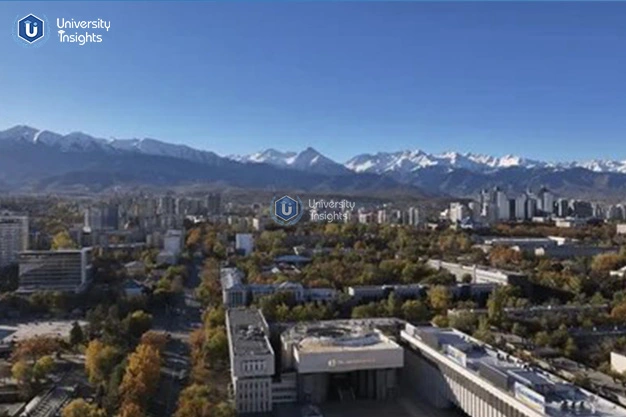
Studying MBBS in Kazakhstan has emerged as an attractive option for international students, especially Indian students, seeking affordable and quality medical education abroad. The Republic of Kazakhstan offers a range of benefits that make it a top destination for MBBS education. With recognized medical degrees, advanced infrastructure, and cost-effective fees, students can fulfill their dreams of becoming doctors without the financial burden often associated with medical education in other countries.
Here are the detailed advantages of pursuing an MBBS course in Kazakhstan:
One of the main reasons students are drawn to study MBBS in Kazakhstan is the affordability of education. Compared to other countries, the MBBS fees in Kazakhstan are significantly lower, making it an excellent choice for those who want to study medicine without incurring heavy debt.
Kazakhstan’s medical universities are renowned for their high standards in medical education. Institutions like Kazakh National Medical University provide rigorous academic training combined with practical experience.
Kazakhstan’s status as a growing educational hub has attracted students from all over the world. This provides international students, including those from India, an opportunity to study in a diverse and multicultural environment.
Degrees awarded by MBBS universities in Kazakhstan are recognized globally, ensuring that graduates can practice medicine or pursue further studies in countries around the world.
Kazakhstan offers students numerous career opportunities post-graduation. Many students studying in Kazakhstan choose to remain in the country for internships and job placements due to the demand for medical professionals.
MBBS Studies in Kazakhstan offer a blend of quality education, affordability, and international recognition. Students from India and other countries who want to study MBBS abroad can take advantage of the favorable MBBS admission process and excellent infrastructure in Kazakhstan.
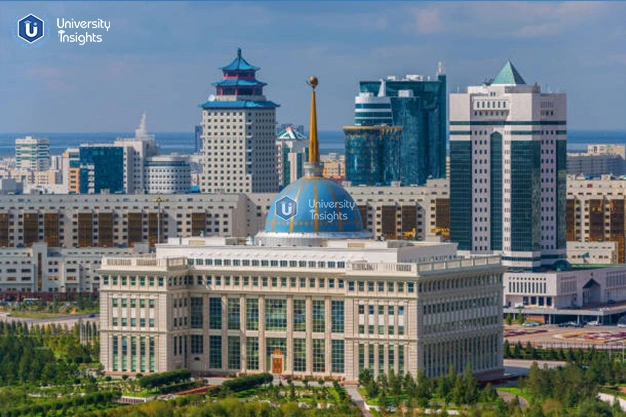
Kazakhstan offers a structured and comprehensive MBBS program, making it a popular choice for students worldwide who want to study medicine in Kazakhstan. The MBBS curriculum is designed to provide students with a solid foundation in medical science, clinical practice, and modern medical technology. Here’s a detailed overview of the MBBS curriculum and program structure in Kazakhstan for 2026-27.
The MBBS program in Kazakhstan is a 6-year program, including one year of internship. The first five years focus on academic learning and clinical practice, while the final year is dedicated to practical experience through hospital rotations, allowing students to apply their knowledge in real-world scenarios. This structure helps ensure students are well-prepared to practice medicine in any part of the world, including Kazakhstan and abroad.
| Phase | Years | Key Subjects Covered | Focus |
|---|---|---|---|
| Pre-Clinical Phase | 1 | Anatomy, Histology, Medical Chemistry, Biophysics, Medical Biology | Study of the human body structure, cells, and tissues, with a foundation in basic chemistry and biology. |
| 2 | Physiology, Biochemistry, Microbiology, Pharmacology, Pathophysiology, Immunology | Learning the physiological functions, biochemical processes, microorganisms, and introduction to diseases. | |
| 3 | Pathology, Pharmacology, Forensic Medicine, Community Medicine, Genetics, Epidemiology | In-depth understanding of disease processes, medicines, genetics, and the role of medicine in communities. | |
| Clinical Phase | 4 | Internal Medicine, Surgery, Pediatrics, Obstetrics and Gynecology | Practical exposure in general medicine, surgery, child health, and women’s health care. |
| 5 | Psychiatry, Ophthalmology, Dermatology, Radiology, Emergency Medicine | Specialized rotations in mental health, eye care, skin diseases, radiological diagnostics, and trauma care. | |
| 6 | Electives, Public Health, Clinical Skills, Internship (1-year compulsory internship in affiliated hospitals) | Focus on elective rotations and internship for hands-on training in various specializations. |
The best MBBS universities in Kazakhstan provide a wide range of academic support services to help students succeed in their studies. These services include:
Kazakhstan’s universities prioritize research and innovation in the medical field. Medical students are encouraged to participate in research projects, which are integrated into the curriculum to foster a deeper understanding of medical science. The universities are equipped with modern laboratories and research centers where students can practice and hone their skills.
With advancements in technology, universities in Kazakhstan offer a variety of online learning resources to supplement traditional classroom teaching. These resources provide students with flexible learning options, allowing them to access study materials anytime.
Integrating technology in medical education is a key strength of Kazakhstan’s medical universities. Universities employ modern teaching aids and advanced medical equipment to enhance the learning experience.
Kazakhstan has become one of the preferred destinations for medical education globally, due to its structured curriculum, modern facilities, and the cost-effectiveness of the Kazakhstan MBBS fees compared to other MBBS in abroad options. Students from all over the world get MBBS admission in Kazakhstan because of its high-quality education and supportive academic environment.

| Year | Semesters | Subjects |
|---|---|---|
| 1st Year | 1st – 2nd Semester | Anatomy, Histology, Biochemistry, Physiology, Medical Chemistry, Bioorganic Chemistry, Embryology, Human Anatomy, Cytology, Fundamentals of Psychology, Elective Courses |
| 2nd Year | 3rd – 4th Semester | Microbiology, Forensic Medicine, Pharmacology, Pathology, Biochemistry, Patient Care, Immunology, Physiology, Emergency Medicine, Embryology, Elective Courses |
| 3rd Year | 5th – 6th Semester | ENT, Community Medicine, Ophthalmology, Pathomorphology, Pathophysiology, Pediatrics, Internal Medicine, Hygiene, Radiology, Pharmacology, General Surgery, Elective Courses |
| 4th Year | 7th – 8th Semester | Psychiatry, Orthopedics, Neurology, Urology, Tuberculosis, Surgery, Obstetrics, Gynecology, Dermatology, Social Medicine, Radiology, Anesthesia, Medical Psychology, Elective Courses |
| 5th Year | 9th – 10th Semester | Pediatrics, General Medicine, Internal Medicine, Surgery, Epidemiology, Oncology, Gynecology, Cardiology, Neurosurgery, Clinical Immunology, Emergency Medicine, Elective Courses |
| 6th Year | Internship | Surgery, Internal Medicine, General Practice, Pediatrics, Oncology, Infectious Diseases, Obstetrics, and Electives, with rotations across different departments in affiliated hospitals. |
The 2024 MBBS syllabus in Kazakhstan covers both pre-clinical and clinical phases:
The final year of the MBBS program in Kazakhstan is dedicated to an internship, which includes:
Upon completing MBBS in Kazakhstan, graduates must pass the following exams to practice medicine:
Ethical education is an integral part of medical training in Kazakhstan. Topics such as patient confidentiality, informed consent, and professional conduct are covered throughout the curriculum. Students are trained to adhere to global standards in medical ethics to ensure respectful and responsible healthcare practices
Kazakhstan’s medical universities are gradually incorporating environmental sustainability into their medical education. This includes:
This approach helps ensure that future doctors are aware of the importance of sustainability in healthcare systems globally.

Completing an MBBS in Kazakhstan not only provides students with a recognized medical degree but also opens numerous opportunities for career advancement and further studies. Kazakhstan, with its growing healthcare sector and internationally recognized medical education system, serves as a springboard for medical graduates aiming to practice medicine either locally or internationally. Many students to Kazakhstan who choose to pursue admission in MBBS enjoy a well-structured academic environment, practical training, and post-graduation job placement services, making the country an attractive destination for medical education.
Graduates from medical colleges of Kazakhstan are in a strong position to pursue diverse medical careers. Kazakhstan’s healthcare system is expanding, and there is a growing demand for qualified doctors across both public and private healthcare institutions. Additionally, the global recognition of Kazakhstan’s medical degree ensures that graduates can work not only in Kazakhstan but also in other countries after clearing relevant medical licensing exams.
Here are some of the major career paths available to MBBS graduates:
For those who wish to continue their education after completing MBBS in Kazakhstan, there are several avenues for specialization and further qualifications:
After completing MBBS, graduates need to fulfill certain licensing requirements to practice medicine in Kazakhstan. This is essential for both domestic students and international graduates who plan to stay and work in the country.
Graduates wishing to practice in countries like the USA, UK, Canada, or Australia must pass additional exams such as the USMLE (United States Medical Licensing Examination), PLAB (Professional and Linguistic Assessments Board) for the UK, or the AMC (Australian Medical Council) exam.
While pursuing their studies, many students to Kazakhstan engage in part-time work opportunities to gain experience and earn extra income. Some of the common part-time work options available include:
Kazakhstan’s top medical universities offer job placement services to assist graduates in finding employment after they complete their studies. These services are designed to connect graduates with hospitals, clinics, and healthcare organizations that are looking for qualified professionals.
The alumni network plays a crucial role in supporting graduates after their MBBS from Kazakhstan. Alumni from Kazakhstan’s medical universities often stay connected with the institution, offering mentorship, job referrals, and professional development opportunities.
Many Indian students who have pursued admission for MBBS in Kazakhstan have gone on to achieve remarkable success. These alumni serve as inspiration for current students, demonstrating the potential of a medical degree from Kazakhstan.
Studying MBBS in Kazakhstan offers many opportunities, but international students may face some challenges. Fortunately, universities in Kazakhstan provide various support services to help students overcome these obstacles:
Here is the detailed table comparing MBBS in Kazakhstan and MBBS in India for 2026-27 based on Post Graduation opportunities, recognition, and advantages:
| Category | MBBS in Kazakhstan | MBBS in India |
|---|---|---|
| Post Graduation Opportunities | – Graduates can pursue post-graduation in countries like the USA (via USMLE), UK (via PLAB), and Australia (via GAMSAT). – Indian students can return to India for PG after clearing FMGE/NExT. | – Indian MBBS graduates can directly apply for PG in India by clearing NEET-PG. – Higher competition for limited PG seats . |
| Recognition of MBBS Degree | – MBBS degrees from Kazakhstan’s top medical universities (e.g., Kazakh National Medical University) are recognized by WHO, NMC (India), and other global bodies . – Graduates must clear FMGE/NExT to practice in India . | – Recognized globally by WHO and highly regarded for its academic rigor. – Indian degrees do not require additional licensing exams for practice within the country . |
| Advantages | – Lower fees (approx. INR 20-40 lakh) . – Smaller batch size (20-35 students per class). – Simple admission process without entrance exams like NEET in most cases. – English-medium instruction. | – Strong academic infrastructure and resources . – Larger alumni network and better local job placement opportunities. – More familiarity with local medical systems and culture . |
| Course Duration | 6 years including 1-year internship . | 5-5.5 years including internship . |
| Tuition Fees | INR 20-40 lakh . | INR 70 lakh to 1 crore in private institutions . |
| Language of Instruction | English (in most universities) . | English or regional languages . |
| Licensing Exams | FMGE/NExT for practice in India . | NEET-PG for higher studies in India . |
| Living Expenses | INR 2-5 lakh per year . | Varies based on location; higher in metropolitan areas . |
Affordable Tuition Fees:
No Donation or Capitation Fees:
Globally Recognized Medical Universities:
English-Medium Instruction:
Modern Infrastructure and Facilities:
International Exposure and Diverse Student Community:
Simplified Admission Process:
Lower Cost of Living:
Focus on Practical Training:
Opportunities for Indian Food and Cultural Comfort:
| Criteria | MBBS in Kazakhstan | MBBS in Other Countries |
|---|---|---|
| Tuition Fees | Affordable, ranging from 3600 to 5400 USD per year | Varies widely; can be higher, especially in the USA, UK, or Australia (can exceed 20,000 USD per year) |
| Medium of Instruction | English-medium programs available | English and local languages; English programs may be limited in some countries |
| Duration | 6 years | Varies by country (5-6 years) |
| Global Recognition | Recognized by WHO, NMC, and other global organizations | Varies; some countries may have non-recognized programs |
| Cost of Living | Relatively low, with hostel fees ranging from 300 to 1200 USD per year | Can be higher in Western countries like the USA, Canada, or Europe |
| Entrance Requirements | No donation or capitation fees, less competitive admission | Highly competitive; some countries require additional exams like the MCAT (USA) or UKCAT (UK) |
| Practical Training | Modern infrastructure and emphasis on hands-on clinical training | Varies; developed countries may offer advanced facilities, while developing countries might have limited resources |
| Opportunities for Indian Students | Indian food options and cultural support available | Limited availability; cultural differences may pose challenges in some countries |
| International Exposure | Multicultural environment with students from different countries | Higher in Western countries; limited in some Asian or African countries |
| Affordability | Overall, more affordable for Indian students, considering both tuition and living costs | Generally higher, especially in developed countries like the USA, Canada, or Australia |
Kazakhstan offers several benefits that make it an attractive choice for medical education compared to other countries:
| Country | MBBS Fees (Approx) | Cost of Living (Approx per year) |
|---|---|---|
| Kazakhstan | $3,000 – $5,000 | $1,500 – $3,000 |
| Bangladesh | $3,500 – $6,000 | $1,800 – $2,500 |
| Nepal | $4,000 – $7,000 | $1,500 – $2,000 |
| Russia | $4,500 – $8,000 | $2,500 – $4,000 |
| Iran | $3,000 – $6,000 | $2,000 – $3,500 |
| China | $4,000 – $8,000 | $2,000 – $3,000 |
| Uzbekistan | $3,500 – $6,500 | $1,500 – $2,500 |
| Egypt | $5,000 – $8,000 | $2,000 – $4,000 |
Kazakhstan is one of the countries that offers excellent opportunities for medical education with affordable tuition fees, and many universities also provide scholarships and financial aids to international students, including Indian students. Admission for MBBS in Kazakhstan is competitive, but several universities extend financial support to make education accessible for deserving students. This section covers the scholarships and financial aid options available for Indian students at top medical colleges in Kazakhstan.
Apart from scholarships, Indian students can also explore financial aid options to cover their education expenses. Financial aids are designed to assist with the cost of studying MBBS in Kazakhstan, and they are often offered by the government, universities, or external organizations.
Applying for scholarships and financial aid in Kazakhstan involves a clear and straightforward process. Here’s how Indian students can apply:
These financial supports, including scholarships and aids, make studying MBBS in Kazakhstan more accessible for students, helping them to focus on their education rather than financial concerns.
| Country | MBBS Fees (Approx in INR) |
|---|---|
| Russia | ₹25,00,000 – ₹45,00,000 |
| Egypt | ₹30,00,000 – ₹55,00,000 |
| Iran | ₹20,00,000 – ₹40,00,000 |
| Nepal | ₹35,00,000 – ₹60,00,000 |
| Uzbekistan | ₹18,00,000 – ₹35,00,000 |
| China | ₹25,00,000 – ₹50,00,000 |
| Bangladesh | ₹30,00,000 – ₹45,00,000 |
Kazakhstan is one of the most feasible options for Indian students due to the relatively low cost of tuition, affordable living expenses, and a straightforward admission for MBBS in Kazakhstan. The medical college of Kazakhstan like Kazakh National Medical University is well-known for providing quality education at lower costs compared to countries like Nepal and China. Additionally, admission in MBBS is less competitive, and students can start their academic journey without entrance exams in most cases.
| Country | Pros | Cons |
|---|---|---|
| Kazakhstan | – Low fees, affordable cost of living – No entrance exam – English programs | – Lesser international recognition than countries like the US and UK |
| Russia | – High-quality education – Globally recognized degrees | – Cold climate – Language barrier in non-English programs |
| Egypt | – Ancient medical universities – Warm climate | – Higher cost of living compared to other destinations |
| Iran | – Low fees – Proximity to India | – Political instability in some regions |
| Nepal | – Close to India, similar culture – No language barrier | – Higher fees than Kazakhstan – Limited seats for Indian students |
| Uzbekistan | – Affordable fees – Increasing popularity among Indian students | – Fewer internationally recognized universities |
| China | – Advanced medical infrastructure – Well-established medical colleges | – Language barrier (Chinese is often required for clinical years) – Expensive cities like Beijing |
| Bangladesh | – Similar culture and language – Easy adaptation for Indian students | – High competition for seats – Limited infrastructure compared to China and Russia |
Kazakhstan is one of the most affordable destinations for MBBS students, both in terms of tuition fees and the cost of living. The cost of living in Kazakhstan is significantly lower compared to other countries, which is a key reason why many Indian students choose Kazakhstan for MBBS.
Kazakhstan offers a unique blend of rich cultural heritage and modern urban life. Students in Kazakhstan enjoy an active social life, engaging in cultural exchanges and extracurricular activities. The cost of living is relatively low, making it easier for students to manage their expenses while enjoying a vibrant lifestyle.
Kazakhstan is considered a safe country for international students, with most universities offering secure on-campus accommodation. Housing options include university dormitories and private apartments, both of which are affordable compared to other countries.
| Country | Monthly Living Cost (Approx in INR) |
|---|---|
| Kazakhstan | ₹12,000 – ₹20,000 |
| Bangladesh | ₹14,000 – ₹20,000 |
| Nepal | ₹8,000 – ₹16,000 |
| Russia | ₹20,000 – ₹32,000 |
| Iran | ₹16,000 – ₹24,000 |
| China | ₹16,000 – ₹24,000 |
| Uzbekistan | ₹12,000 – ₹20,000 |
| Egypt | ₹16,000 – ₹28,000 |
Kazakhstan offers some of the lowest living costs among popular MBBS destinations, making it an attractive option for Indian students
While Kazakh and Russian are widely spoken, MBBS courses in Kazakhstan are typically taught in English, making it accessible for international students. Universities often provide support for students to learn basic Kazakh or Russian to help with daily interactions.
Kazakhstan’s universities offer extensive support services for international students, including orientation programs, academic counseling, and language classes. These services ensure that students adapt smoothly to their new environment.
Kazakhstan’s universities encourage students to engage in various extracurricular activities. From sports to academic societies, students can participate in clubs that complement their studies and enhance their university experience.
Kazakhstan provides excellent support for international students to help them adapt to the new culture. International offices and cultural exchange programs are set up in universities to facilitate smooth cultural integration.
Kazakhstan’s low cost of living, supportive environment, and quality education system make it an ideal destination for MBBS students from India.
When international students, particularly Indian students, decide to study MBBS in Kazakhstan, health and safety become crucial considerations. Kazakhstan is one of the safest and most welcoming countries for international students, with medical universities offering comprehensive health and safety services.
International students, including those seeking admission in MBBS, are provided access to quality healthcare services in Kazakhstan. Many medical colleges of Kazakhstan, such as the Kazakh National Medical University, have on-campus healthcare facilities that offer general medical care and emergency services. Additionally, Kazakhstan’s healthcare system is well-equipped with modern technology to handle any medical issues international students may face.
To ensure that students to Kazakhstan are protected against unforeseen medical costs, it is mandatory for all international students to have health insurance. Health insurance covers basic medical services, including hospitalization, emergency care, and routine check-ups.
Before their admission for MBBS in Kazakhstan, students are required to undergo certain medical check-ups and vaccinations. This ensures the well-being of all students on campus and compliance with the country’s health regulations.
Kazakhstan is considered a safe country, especially for students. However, like any foreign country, it is essential for international students to be cautious and follow general safety tips.
Studying abroad can be stressful, and medical colleges of Kazakhstan recognize the importance of mental health. Many universities provide access to mental health counseling services to help students deal with academic pressure, homesickness, and other challenges.
Before departing for Kazakhstan, students need to prepare thoroughly to ensure a smooth transition. This includes gathering necessary documents, vaccinations, and understanding the local culture.
Kazakhstan offers robust orientation programs to help new students adjust to the country and the academic environment. These programs provide essential information about university facilities, local culture, and academic expectations.
When planning financially for studying MBBS in Kazakhstan, several critical aspects need to be considered to ensure comprehensive budgeting and financial preparedness. Below is a detailed breakdown of the important factors to include in your financial planning:
1. Tuition Fees
– **Research and compare tuition fees** across various medical universities in Kazakhstan. The tuition for MBBS in Kazakhstan ranges between **$3,000 to $5,000 per year**, depending on the institution, such as **Kazakh National Medical University**.
– **Total program cost**: The MBBS program typically lasts for 5 to 6 years, so it’s important to calculate the overall cost.
– Consider any **additional academic charges**, such as lab fees, examination fees, and registration fees that may not be included in the tuition.
2. Hostel and Accommodation Costs
– Evaluate the cost of **on-campus accommodation** (hostels), which can range between **$500 to $1,500 per year**, depending on the university. Off-campus accommodation may cost **$2,000 to $3,500** per year.
– Factor in additional expenses for **utilities** like electricity, internet, and water if opting for off-campus housing.
– Consider the availability of **Indian or vegetarian food** options, especially if it is a preference for students from India.
3. Living Expenses
– Estimate monthly living expenses, including **food, transportation, and other necessities**. Students can expect to spend between **$150 to $300** per month on average.
– Account for **personal expenses** like clothing, entertainment, and medical insurance.
– Public transportation in Kazakhstan is affordable, with **monthly public transport passes** ranging from **$10 to $20**.
4. Travel Costs
– Calculate the cost of **international flights** to and from Kazakhstan. Round-trip flights to India can cost approximately **$500 to $700** depending on the season and airline.
– Factor in travel expenses for **visa applications**, orientation programs, and any travel during holidays.
5. Visa and Legal Fees
– The **visa application fee** for Kazakhstan is typically around **$150**, and students may also need to budget for **visa renewals** during their study period.
– Include expenses for **medical tests**, legal documentation, and any additional consultancy fees for the visa process.
6. Insurance
– **Health insurance** is mandatory for international students in Kazakhstan. The cost of insurance varies, but students should plan for around **$100 to $300 per year** for basic coverage.
– Consider **travel insurance** for added protection during flights and other unexpected travel-related issues.
7. Miscellaneous Fees
– Plan for additional costs such as **registration fees, exam fees**, and graduation fees.
– Include expenses for **books, study materials**, and any potential online learning resources.
8. Scholarships and Financial Aid
– **Research available scholarships** for international students. Many universities in Kazakhstan offer scholarships based on merit, and the government may also provide financial assistance to international students.
– Ensure that you meet the **eligibility criteria** and submit applications by the required deadlines to secure financial aid.
9. Currency Exchange and Banking Fees
– Understand the **currency exchange rates** between Indian Rupees (INR) and Kazakhstani Tenge (KZT). Fluctuations in the exchange rate could impact your overall cost.
– Be aware of **international banking fees**, including transfer charges and ATM withdrawal fees, which may be incurred when accessing money from home.
10. Loan Repayment Planning
– If you are taking out an **education loan**, carefully plan for the repayment terms, interest rates, and the repayment period.
– Consider whether you’ll be able to manage loan repayments after graduation and during any post-MBBS study or work period.
11. Part-Time Work Opportunities
– While Kazakhstan allows **part-time work for students**, it’s important to check university policies on balancing work with studies.
– Earnings from part-time work can help offset living expenses, but students should plan on prioritizing their academic commitments.
13. Post-Graduation Costs
– Plan for costs associated with **residency programs**, licensing exams (e.g., FMGE, USMLE), and other certifications if you plan to practice medicine in another country after completing your MBBS in Kazakhstan.
– Consider expenses related to **job search, relocation**, and settling down post-graduation.
By including these aspects in your financial planning, students can create a comprehensive and realistic budget for studying MBBS in Kazakhstan. This will help minimize financial stress and ensure preparedness for all expected and unexpected expenses throughout the education journey.
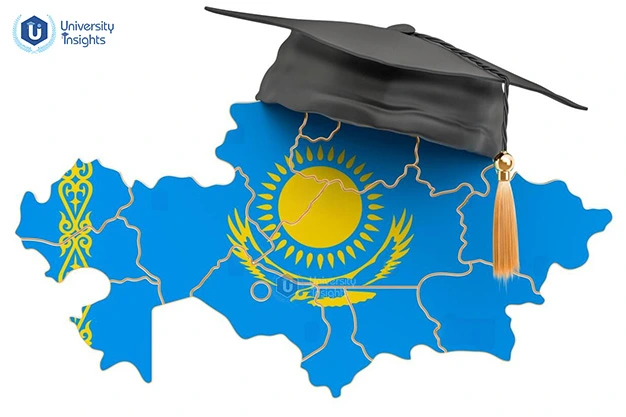
The eligibility criteria for MBBS in Kazakhstan are as follows:
To apply for MBBS in Kazakhstan, Indian students should follow these steps:
Graduates of MBBS in Kazakhstan have a variety of career paths:
Yes, several universities and government bodies offer scholarships for MBBS students in Kazakhstan:
The overall cost of studying MBBS in Kazakhstan is affordable:
Studying MBBS in Kazakhstan offers several advantages:
The MBBS syllabus in Kazakhstan covers both theoretical knowledge and practical training:
Kazakhstan provides excellent support services for international students:
Studying MBBS from Kazakh National Medical University offers several advantages compared to other Kazakhstan medical universities:
The MBBS from Kazakhstan typically has a duration of 5 years, followed by a 1-year internship. The degree is valid in India, but Indian students must pass the Foreign Medical Graduate Examination (FMGE), now known as the National Exit Test (NExT), to practice medicine in India.
These stories are drawn from real student experiences who trusted University Insights to achieve their international education dreams and meet their academic goals. Take the leap and begin your own extraordinary journey today!
Kazakhstan
Kazakhstan
Kazakhstan
Kazakhstan
Kazakhstan
Kazakhstan

At University Insights, we’re committed to helping you achieve academic success with our personalized services and resources. Trust us to guide you towards the right university, course, and study abroad program to meet your educational and career goals.
Empowering Your Educational Journey
Fill this form so that we may connect to you regarding the best courses suitable to your profile, or the courses/countries you are interested in to Study Abroad!
By submitting this form, you accept and agree to our Terms of Use.
Get a free personalised counselling call from University Insights experts. Or call Us Directly on +91 88827 45479
By submitting this form, you accept and agree to our Terms of Use.