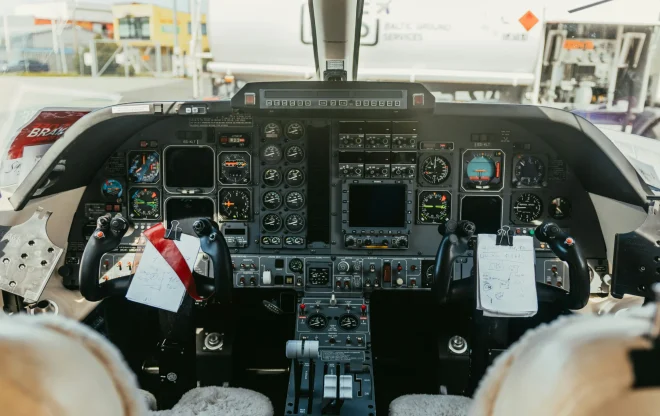


What Is CPL and Why Do Students Choose to Do It Abroad?
What Is CPL and Why Do Students Choose to Do It Abroad?
Commercial aviation has always been one of the most aspirational career paths for students who dream of a dynamic, high-responsibility, and globally respected profession. Over the last decade, this dream has become more achievable due to better access to flight training and international education opportunities. At the center of this journey lies one critical qualification: the Commercial Pilot License, commonly known as CPL. For many aspiring pilots today, the decision is not just about earning a CPL, but about where to earn it. Increasingly, students are choosing to complete their CPL abroad, and this choice is driven by strong practical, financial, and career-oriented reasons.
To fully understand why CPL abroad has become such a popular pathway, it is important to first understand what CPL actually is, how it works, and how international training compares to domestic options.
What Is a Commercial Pilot License (CPL)?
A Commercial Pilot License is a professional aviation license that legally authorizes a pilot to fly an aircraft for commercial purposes. In simple terms, CPL is the qualification that turns a flying enthusiast into a professional pilot who can be paid for flying. Without a CPL, a pilot is limited to recreational or private flying and cannot legally work in commercial aviation.
CPL is regulated internationally by the International Civil Aviation Organization (ICAO), a United Nations body that sets global standards for aviation safety, training, and licensing. Because of ICAO’s role, CPL training across the world follows a standardized framework, even though individual countries implement it through their own aviation authorities such as DGCA in India, FAA in the United States, EASA in Europe, SACAA in South Africa, and CASA in Australia.
This global standardization is the foundation that allows pilots trained in one country to later work in another, subject to license conversion requirements.
Why CPL Is Essential for a Professional Aviation Career?
A CPL is not just another certificate; it is the entry gate into professional aviation. Airlines, charter companies, cargo operators, and corporate aviation firms all require pilots to hold a valid CPL before they can be considered for employment. Even pilots aiming to become flight instructors or build hours toward airline transport pilot licenses must first hold a CPL.
From a career perspective, CPL represents the transition from learning to flying professionally. It demonstrates that a pilot has met international safety standards, has sufficient flight experience, and is capable of operating aircraft responsibly under commercial conditions. This is why CPL is considered the backbone of a pilot’s career.
What Does CPL Training Actually Involve?
CPL training is a comprehensive program that combines academic knowledge, hands-on flying experience, and skill evaluations. It is designed not only to teach someone how to fly an aircraft, but also how to operate safely, legally, and professionally within controlled airspace and commercial environments.
The training includes extensive ground school instruction, where students study subjects such as air navigation, meteorology, aviation regulations, aircraft systems, human performance, and flight planning. These theoretical subjects build the foundation required for safe decision-making in real-world flying conditions.
Alongside theory, students undergo intensive flight training. This includes solo flying, cross-country navigation flights, instrument flying, night flying, and emergency handling. Over the course of training, students gradually progress from basic aircraft handling to complex commercial operations.
Most aviation authorities require pilots to complete around 200 total flight hours to qualify for a CPL, although the exact structure of these hours may vary slightly by country. Importantly, these hours are not random; they are carefully categorized to ensure balanced skill development.
The Growing Trend of Doing CPL Abroad
In earlier decades, most students preferred to complete their CPL in their home country. However, over time, several challenges such as high costs, limited infrastructure, long waiting periods, and inconsistent training schedules have led students to explore international options. Today, doing CPL abroad is no longer considered unusual; it has become a well-planned and widely accepted route.
Students who choose to do CPL abroad are often not looking for shortcuts. Instead, they are seeking efficiency, quality, and global exposure. Countries with advanced aviation ecosystems have structured their training environments to support international students, making the process smoother and more predictable.
Cost Efficiency: One of the Strongest Reasons
One of the most significant reasons students choose to do CPL abroad is cost. Flight training is expensive everywhere, but the overall cost varies greatly depending on infrastructure, fuel prices, aircraft availability, and regulatory efficiency.
In many countries, especially those with limited flying weather or fewer training aircraft, CPL training can become prolonged and expensive. Delays caused by weather, maintenance issues, or scheduling backlogs often lead to cost overruns, increasing the total financial burden on students.
In contrast, several international destinations offer CPL programs at a comparatively lower total cost. This does not mean that the training is inferior. In fact, many foreign flight schools operate larger fleets, fly more hours per day, and maintain consistent schedules, which directly reduces per-hour costs. For many students, completing CPL abroad can result in savings of several lakhs without compromising training quality.
Faster Training and Predictable Timelines
Time is a crucial factor in aviation careers. Airlines hire based on market demand, and delays in training can mean missing important recruitment cycles. One of the biggest frustrations faced by students in some countries is the unpredictability of training timelines.
International CPL programs are often designed for efficiency. Favorable weather conditions, particularly in regions with stable climates, allow students to fly throughout the year with minimal interruptions. As a result, training progresses smoothly and consistently.
Many students are able to complete their CPL abroad within 12 to 18 months, whereas domestic training in some regions may extend to three years or more. Faster completion not only saves time but also reduces accommodation, living, and opportunity costs.
Superior Flying Conditions and Airspace Exposure
Flying conditions play a major role in pilot training quality. Countries with clear skies, minimal fog, and predictable weather patterns allow students to log more flight hours with fewer cancellations. This consistency improves learning continuity and skill retention.
In addition to weather, international students often benefit from exposure to diverse airspace environments. Training abroad may include operations in controlled, semi-controlled, and uncontrolled airspace, offering practical experience with real-world air traffic scenarios. This exposure builds confidence and situational awareness, which are essential qualities for airline pilots.
Global Standards and Professional Discipline
One of the understated advantages of doing CPL abroad is exposure to global aviation culture. Many international flight schools operate under strict standard operating procedures, detailed documentation practices, and high instructor accountability. Students are trained to follow checklists, safety protocols, and communication standards rigorously.
This environment instills professionalism early in a pilot’s career. Airlines value candidates who demonstrate disciplined flying habits, structured thinking, and familiarity with international aviation norms. These qualities often stand out during airline assessments and simulator evaluations.
License Validity and Conversion Reality
A common concern among students and parents is whether a CPL obtained abroad will be valid in their home country. This concern is understandable but often based on incomplete information.
Because CPLs are issued under ICAO standards, most countries allow license conversion. The conversion process typically involves passing theoretical exams, skill checks, and medical assessments as per the home authority’s regulations. Importantly, flight hours logged abroad remain valid and are counted toward licensing requirements.
While conversion requires preparation and effort, it is a structured and achievable process, not an obstacle. Thousands of pilots worldwide successfully convert their licenses every year and go on to fly commercially.
Career Opportunities After CPL Abroad
Completing CPL abroad opens the door to a wide range of aviation careers. While many pilots aim for airline jobs, CPL holders can also work in charter operations, cargo flying, aerial survey missions, flight instruction, and corporate aviation. These roles allow pilots to build experience and flight hours while earning professionally.
In the long term, CPL is the foundation that leads to advanced qualifications such as type ratings and Airline Transport Pilot Licenses (ATPL). Airlines focus more on skill, attitude, and training quality than on the geographic location of training.
Safety and Training Quality Considerations
Safety is non-negotiable in aviation. Reputed international flight schools operate under strict oversight from their aviation authorities. Aircraft maintenance, instructor qualification, and operational safety are regularly audited. Students trained in such environments develop strong safety awareness and decision-making skills.
However, not all flight schools are equal. It is essential for students to choose accredited institutions with transparent records, experienced instructors, and clear training structures. Doing proper research or working with experienced aviation consultants can make a significant difference.
Final Perspective: Is CPL Abroad the Right Choice?
Choosing where to complete CPL is a life-shaping decision. Doing CPL abroad is not about avoiding domestic systems; it is about choosing a pathway that aligns with global aviation realities. Lower costs, faster timelines, better infrastructure, and international exposure make CPL abroad a practical and future-oriented option for many students.
With the right planning, correct information, and professional guidance, CPL abroad can serve as a strong launchpad for a successful aviation career. What matters most is not the country of training, but the quality of education, discipline developed, and long-term career vision of the student.
Frequently Ask Questions
W
hat is a CPL and how is it different from a Private Pilot License (PPL)?
A Commercial Pilot License (CPL) allows a pilot to fly aircraft professionally for compensation, whereas a Private Pilot License (PPL) is strictly for personal or recreational flying. With a PPL, a pilot cannot earn money by flying, while a CPL legally permits employment in commercial aviation roles such as charter flying, cargo operations, flight instruction, or airline operations (after further requirements). CPL also involves more advanced training, higher flight hour requirements, stricter medical standards, and deeper theoretical knowledge compared to PPL. In simple terms, PPL is for hobby flying, while CPL is the foundation of a professional pilot career.
Is doing CPL abroad legal and recognized in India and other countries?
Yes, completing CPL abroad is completely legal and globally recognized, provided the license is issued by an aviation authority that follows ICAO standards. Countries such as the USA (FAA), South Africa (SACAA), Australia (CASA), and European nations (EASA) issue ICAO-compliant licenses. In India, the DGCA allows conversion of foreign CPLs through a defined process that includes written exams, medical fitness, and skill checks. Thousands of Indian pilots currently flying with domestic and international airlines have completed their CPL abroad, making it a widely accepted and proven pathway.
Why is CPL abroad often cheaper than doing it domestically?
CPL abroad is often more cost-effective due to operational efficiency rather than lower training quality. Many foreign flight schools operate large aircraft fleets, fly consistently throughout the year, and face fewer weather disruptions. This allows students to complete their flying hours faster, reducing aircraft rental, instructor, and accommodation costs. In contrast, domestic training in some countries may face delays due to weather, aircraft shortages, or regulatory bottlenecks, which increases overall expenses. As a result, students often save a significant amount of money by completing CPL abroad without compromising safety or standards.
How long does it take to complete CPL abroad?
The duration of CPL training abroad typically ranges between 12 to 18 months, depending on the country, weather conditions, and the student’s learning pace. Countries with favorable climates allow year-round flying, which helps students maintain continuity in training. In contrast, CPL training in regions with limited flying seasons can extend beyond two or three years. Faster completion is one of the key reasons students choose international CPL programs, as it allows them to enter the job market sooner and align better with airline hiring cycles.
What is the minimum eligibility required to do CPL abroad?
To pursue CPL abroad, students generally need to be at least 18 years old, have completed 10+2 with Physics and Mathematics, and meet aviation medical fitness standards. A Class 1 Medical Certificate issued by an approved aviation medical examiner is mandatory. English language proficiency is also required, as aviation communication worldwide is conducted in English. While eligibility criteria may vary slightly by country, ICAO-based standards ensure a high level of uniformity across international CPL programs.
Is license conversion difficult after completing CPL abroad?
License conversion is often misunderstood as a major hurdle, but in reality, it is a structured regulatory process. Conversion typically involves passing theoretical examinations set by the home aviation authority, undergoing skill tests, and meeting medical requirements. While preparation and discipline are required, conversion is neither arbitrary nor unpredictable. With proper planning and guidance, most students successfully complete their conversion and proceed toward airline employment. Understanding conversion requirements early helps students prepare effectively and avoid unnecessary delays.
Do airlines prefer pilots trained domestically or abroad?
Airlines primarily focus on competence, safety awareness, discipline, and training quality, rather than the geographic location of training. Pilots trained abroad often bring strong exposure to international airspace, standardized procedures, and structured training environments, which airlines value highly. As long as a pilot meets regulatory requirements, performs well in simulator checks, and demonstrates professional conduct, the origin of CPL training is not a limiting factor. Many airline pilots worldwide have completed their CPL abroad and successfully built long careers.
What career options are available after completing CPL abroad?
After completing CPL abroad, pilots can pursue various aviation careers depending on their experience and additional ratings. These include airline first officer roles (after conversion and type rating), charter and cargo flying, flight instruction, aerial survey operations, and corporate aviation. CPL serves as the base license that allows pilots to build experience and progress toward advanced certifications such as ATPL. The diversity of opportunities makes CPL a versatile qualification within the aviation industry.
Is CPL abroad safe for students?
Safety standards in reputed international flight schools are often very high due to strict regulatory oversight. Aircraft maintenance, instructor qualifications, and operational procedures are regularly audited by aviation authorities. Students are trained in environments that emphasize safety, checklist discipline, and risk management. However, safety depends on choosing the right institution. Students should ensure the flight school is accredited, transparent in operations, and has a proven training record. With proper due diligence, CPL abroad is a safe and reliable option.
How should students choose the right country and flight school for CPL abroad?
Choosing the right country and flight school depends on factors such as budget, weather conditions, training timeline, license conversion requirements, and long-term career goals. Students should evaluate the aviation authority governing the school, aircraft fleet condition, instructor experience, student success rates, and post-training support. It is also important to understand visa rules, living costs, and exam structures. Taking guidance from experienced aviation professionals can help students make informed decisions and avoid costly mistakes.