
Karnali Academy of Health Sciences – MBBS in Nepal 2026 Admission, Fees, Eligibility & More

MBBS in Nepal is gaining popularity among Indian students due to its affordability, quality of education, and NMC-recognized degrees. Karnali Academy of Health Sciences, located in Jumla, is a reputed government medical university that offers a well-structured MBBS program in English. Known for its advanced medical facilities and dedicated faculty, it is a preferred destination for those looking to pursue MBBS in Nepal for Indian Students. The university follows the NMC guidelines and provides hands-on clinical exposure through its teaching hospital. The Nepal MBBS program at Karnali focuses on community health and primary care, making it ideal for students who aim to return and serve in India. The transparent MBBS in Nepal Fees, combined with the safe environment and culturally familiar setting, makes it a strong contender for MBBS Abroad. Students benefit from a supportive academic atmosphere and an internationally recognized medical curriculum.

Overview of Karnali Academy of Health Sciences

Studying MBBS in Nepal at Karnali Academy of Health Sciences (KAHS) offers students the opportunity to learn in a mission-driven, community-focused environment. KAHS was established in 2011 by an Act of the Nepalese Parliament and was transformed from Karnali Zonal Hospital into an autonomous teaching institution. Its primary mission is to address the critical healthcare gaps in remote and under-resourced areas of Karnali Province by training competent and socially responsible health professionals. KAHS offers a range of programs, including MBBS, nursing, pharmacy, public health, and allied health sciences. The academy is driven by a vision to foster academic excellence through a curriculum that blends theory, clinical practice, innovative research, and community service. With its teaching hospital fully operational since 2017, KAHS has expanded its health services and educational infrastructure, reinforcing its role as a regional academic and healthcare hub in Western Nepal.

Location and Proximity

Located in Jumla District, Karnali Province, KAHS sits amid the remote hilly terrains of Western Nepal. The campus, positioned in Chandannath along the Military Sadak route, is accessible via the Jumla airport and road networks, standing approximately 375 kilometers northwest of Kathmandu. Jumla is surrounded by rugged hills and borders districts such as Humla, Dolpa, Kalikot, and Mugu. Despite its remote setting, KAHS is well-connected by scheduled flights to Kathmandu and regular road services. The location provides students with a unique rural clinical training environment focused on addressing health disparities and geographical healthcare barriers. The proximity to underserved communities directly supports the institution’s goal to deliver grassroots medical education and regional public health solutions.

Student Ratio

KAHS admits 50 MBBS students every year, with a quota of 45% reserved for students from the local Karnali region (districts of Jumla, Humla, Dolpa, Kalikot, Mugu, Rukum‑West, Jajarkot, Salyan, Surkhet, and Jajarkot). This regional prioritization helps ensure representation from communities with limited healthcare access. For students considering MBBS abroad, KAHS offers a unique opportunity to receive a globally recognized medical education within a culturally familiar and community-centered environment. Across all programs—including nursing, pharmacy, public health, and allied health sciences—the student population is estimated at around 200–250 per cohort, supported by a faculty of approximately 60–70 academic staff. This establishes a favorable student-to-faculty ratio of about 4:1 to 5:1, which fosters interactive learning, mentorship, and personalized educational experiences. The relatively small class sizes enhance clinical training and provide students with direct access to faculty guidance and hands-on experience.
Want To Study MBBS in Karnali Academy of Health Sciences?

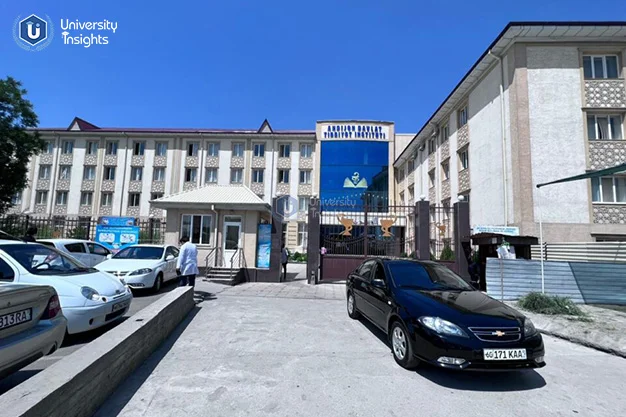
Study MBBS in Andijan state medical institute

Affiliation and Recognition of Karnali Academy of Health Sciences 2026

Karnali Academy of Health Sciences (KAHS) holds multiple national and international recognitions that validate the quality and credibility of its MBBS in Nepal program. These affiliations are essential for ensuring that the degrees offered are globally acknowledged and that graduates are eligible for licensing exams in Nepal, India, and abroad.
Recognitions and Accreditations

  • Recognized by the Nepal Medical Council (NMC): The MBBS program at KAHS is fully approved by the Nepal Medical Council, which means that its curriculum, clinical training, and degree structure meet the national standards required for medical education in Nepal. This recognition is also a prerequisite for graduates to practice medicine within Nepal or apply for licensing abroad.
  • Listed by the World Health Organization (WHO): KAHS is included in the World Directory of Medical Schools, maintained by WHO and the World Federation for Medical Education (WFME). This international listing ensures that degrees from KAHS are accepted globally, including eligibility for exams like USMLE, PLAB, and other foreign postgraduate pathways.
  • Approved by the Nepal Nursing Council (NNC) and Nepal Health Professional Council (NHPC): In addition to medical degrees, KAHS offers programs in nursing, pharmacy, and allied health sciences. These programs are accredited by the respective councils, ensuring that nursing and paramedical education is professionally valid and regulated.
  • Eligible for FMGE and NExT in India: Indian students graduating from KAHS are eligible to appear for the Foreign Medical Graduate Examination (FMGE) conducted by the National Board of Examinations (NBE), as required by the National Medical Commission (NMC) India. From 2024–25 onwards, they will also be eligible to take the National Exit Test (NExT), which serves as a licensure exam for both Indian and foreign medical graduates.
  • Affiliated with the Medical Education Commission (MEC), Government of Nepal: KAHS operates under the academic framework of the Medical Education Commission, which regulates entrance exams (MECEE-BL), tuition fee structures, and curricular standards across Nepal’s medical institutions. This ensures a standardized education system and academic governance.
  • Established by Act of Parliament: KAHS is an autonomous public institution established through a legislative act passed in 2011. This gives it independent authority to govern academic operations, run a teaching hospital, and issue degrees recognized at the national level.

Want To Study MBBS in Karnali Academy of Health Sciences?

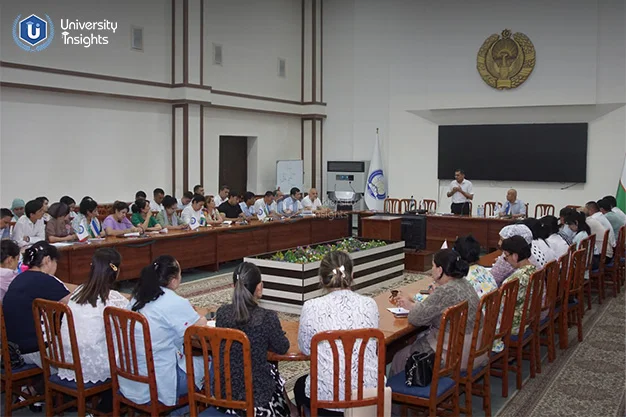
andijan state medical university- conference hall

Why Study MBBS At Karnali Academy of Health Sciences for Indian Students 2026

  • Affordable Tuition Fees: The MBBS program at KAHS offers significantly lower tuition fees compared to many private medical colleges in India, making it a cost-effective option for students.
  • NEET Score Recognition: Indian students can apply for admission using their NEET scorecard, simplifying the admission process and eliminating the need for additional entrance exams.
  • Comprehensive Curriculum: KAHS provides a well-structured curriculum that integrates theoretical knowledge with practical training, ensuring students are well-prepared for their medical careers.
  • English Medium Instruction: The medium of instruction is English, making it accessible for Indian students who are familiar with English-speaking educational environments.
  • Experienced Faculty: The academy boasts a team of experienced faculty members who are dedicated to mentoring students and providing personalized attention to enhance their learning experience.
  • Hands-On Clinical Experience: Students gain valuable practical experience through clinical rotations in local hospitals, allowing them to apply their knowledge in real-world medical settings.
  • Supportive Learning Environment: KAHS fosters a supportive and collaborative learning atmosphere, encouraging students to engage actively in their education and develop strong relationships with faculty and peers.
  • Cultural Diversity: The diverse student body at KAHS promotes cultural exchange and collaboration, enriching the educational experience and preparing students for work in multicultural healthcare settings.
  • Beautiful Location: Situated in Jumla, the academy offers a serene and picturesque environment, providing students with a peaceful backdrop to focus on their studies.
  • Opportunities for Community Engagement: KAHS encourages students to participate in health camps and outreach programs, allowing them to contribute to the local community and gain practical experience in public health.

Want To Study MBBS in Karnali Academy of Health Sciences?

andijan state medical university- medical college front view

Quick Highlights About Karnali Academy of Health Sciences 2026

Feature

Details

Established Year

2011

Location

Jumla District, Karnali Province, Western Nepal

Recognition

Recognized by Nepal Medical Council (NMC), Nepal Nursing Council (NNC), and NHPC

Language of Instruction

English

NEET Qualification

Mandatory for Indian students to secure admission

Eligibility

Minimum 50% in Physics, Chemistry, and Biology in 10+2

Tuition Fees

Approx. ₹9,20,000 per year; Total ₹50,00,000 for 6 years

Living Cost

Approx. ₹8,000 – ₹12,000 per month

Affiliated Hospitals

300-bed Teaching Hospital at KAHS campus with departments for Surgery, Medicine, Pediatrics, Gynecology, and more

Want To Study MBBS in Karnali Academy of Health Sciences?

andijan state medical university- auditoruim hall

Advantages of MBBS at Karnali Academy of Health Sciences 2026

Studying MBBS in Nepal at Karnali Academy of Health Sciences (KAHS) offers unique benefits combining academic excellence with real-world relevance, especially in rural healthcare contexts. The program is tailored to equip future doctors with the skills needed to serve in remote and underserved communities. Below are the detailed advantages categorized under key areas:
Faculty of Medicine

  • KAHS is Nepal’s first standalone rural medical academy, giving students early and extensive clinical exposure in underserved regions, which improves long-term rural retention.
  • The MBBS curriculum emphasizes common health problems in hilly and remote areas, ensuring graduates are well-prepared for community challenges.
  • Students regularly participate in field medical camps and rural outreach, enhancing practical understanding of rural healthcare systems.
  • Early exposure to community medicine instills a strong foundation in public health and primary care, supporting WHO goals for rural health.

Innovative and Integrated Curriculum

  • The MBBS in Nepal at KAHS features an evidence-based, student-centered, hybrid curriculum, blending integrated, problem-based, and community-based learning.
  • Graduates benefit from self-directed learning models, preparing them for continual professional development and autonomous practice.
  • The program incorporates regular updates, ensuring relevance to both local healthcare needs and global medical standards.
  • Collaboration in curriculum design with institutions like KU, AIIMS, and Oxford University enhances educational quality.

Teaching Hospital and Clinical Facilities

  • KAHS includes a 300-bed teaching hospital on campus, allowing seamless integration of academics and clinical training.
  • Facilities include OPD, IPD, lab diagnostics (X-ray, USG, ECG), and fully functional operation theatres since 2017.
  • The hospital specializes in trauma and emergency care, reflecting real-world rural health demands.
  • Students are trained in multidisciplinary emergency and primary care procedures, preparing them for first-contact clinical scenarios.

Research and Professional Development

  • KAHS publishes the Journal of Karnali Academy of Health Sciences, supporting faculty and student research in rural medicine.
  • Active research areas include community medicine, trauma epidemiology, and public health interventions in rural Nepal.
  • Engagement in ongoing studies enhances practical research training, improving analytical and academic skills.
  • Exposure to rural health projects prepares students for future roles in public policy, academia, and global health sectors.

Cost-effective & Government-supported Education

  • KAHS is a government-run institution, ensuring affordable tuition and transparent admission without donations or capitation.
  • The fee structure is significantly lower than private medical colleges, offering excellent value for MBBS in Nepal.
  • Scholarship programs and reserved quotas promote equitable access for local and regional students from rural districts.
  • As one of Nepal’s public-sector academies, KAHS ensures institutional credibility and Nepal Medical Council recognition.

Want To Study MBBS in Karnali Academy of Health Sciences?

andijan state medical university-exam hall

Karnali Academy of Health Sciences Course Duration for MBBS program 2026

Breakdown of the Duration:

Academic Study (4.5 Years):

  • The first 4.5 years of the program are dedicated to academic coursework, which includes a mix of lectures, practical sessions, and laboratory work.
  • The curriculum covers essential subjects such as Anatomy, Physiology, Biochemistry, Pathology, Pharmacology, Microbiology, Community Medicine, Internal Medicine, Surgery, Pediatrics, Obstetrics, and Gynecology.
  • The academic structure is designed to provide students with a solid foundation in medical sciences, critical thinking, and clinical skills.

Internship (1 Year):

  • Following the completion of the academic coursework, students are required to undertake a one-year internship.
  • During this internship, students gain hands-on clinical experience by working in affiliated hospitals and healthcare facilities. This practical training is crucial for applying theoretical knowledge in real-world medical settings.
  • The internship allows students to rotate through various departments, including Internal Medicine, Surgery, Pediatrics, and Obstetrics, providing them with a well-rounded clinical experience.

Additional Details:

  • Start of Academic Year: The academic year at KAHS typically begins in September, with students encouraged to complete their application process well in advance to secure their admission.
  • Eligibility for Admission: To be eligible for the MBBS program, students must have completed their 10+2 education with a minimum aggregate of 50% in Physics, Chemistry, and Biology. Additionally, a valid NEET scorecard is mandatory for Indian students seeking admission.
  • Course Structure: The course structure is designed to ensure that students not only acquire theoretical knowledge but also develop practical skills through clinical exposure and hands-on training.

Want To Study MBBS in Karnali Academy of Health Sciences?

andijan state medical university-students group

Faculties of Karnali Academy of Health Sciences 2026

Faculty of Medicine

  • Offers the MBBS program with an annual intake of approximately 50 students, following the national medical curriculum.
  • Also provides postgraduate programs, including MD in General Practice & Emergency Medicine, and several other MD/MS specialties.
  • Includes major clinical departments such as Internal Medicine, Surgery, Pediatrics, Obstetrics & Gynecology, Psychiatry, Orthopedics, Radiology, and ENT.
  • Practical training is conducted at the 300-bed teaching hospital located within the KAHS campus in Jumla.
  • The faculty is staffed by qualified professors, associate professors, and clinical instructors with strong academic and rural healthcare experience.

Faculty of Nursing

  • Offers undergraduate and postgraduate degrees such as B.Sc. Nursing, Bachelor in Midwifery, Bachelor in Nursing Science (BNS), and Master in Nursing.
  • All programs are approved by the Nepal Nursing Council (NNC).
  • The curriculum focuses on maternal-child health, community-based care, and midwifery training aligned with Nepal’s public health priorities.
  • Nursing education emphasizes both theoretical knowledge and practical application through hospital postings and rural field visits.
  • The faculty includes trained clinical educators and nursing leaders with expertise in rural and primary health care.

Faculty of Public Health

  • Runs Bachelor in Public Health (BPH) and Master in Public Health (MPH) programs with a community-focused curriculum.
  • Subjects include epidemiology, biostatistics, health policy, health systems, and environmental health.
  • Strong emphasis is placed on field-based learning to address public health challenges in the Karnali region.
  • Students are involved in health awareness campaigns, surveys, and outreach programs.
  • The faculty collaborates closely with the university hospital’s public health unit for applied learning.

Faculty of Pharmacy

  • Offers both Bachelor in Pharmacy (B.Pharm) and Master in Pharmacy (M.Pharm) degrees.
  • Programs are approved by the Nepal Pharmacy Council and follow a modern curriculum including pharmacology, pharmaceutical chemistry, and regulatory affairs.
  • Trains students for careers in hospital pharmacy, drug manufacturing, research, and public health pharmacy.
  • The department is equipped with pharmaceutical labs for practical sessions.
  • Admissions for B.Pharm are typically limited to 20–25 seats per year.

Faculty of Allied Health Sciences

  • Offers technical and degree programs such as Bachelors in Medical Laboratory Science (BMLS), Health Assistant programs, and other diploma-level allied health courses.
  • Departments include Laboratory Technology, Radiology, Physiotherapy, and Emergency Medical Services.
  • Programs are designed to produce skilled paramedics, lab technicians, and diagnostic support professionals.
  • Training is integrated with the university hospital for hands-on experience in patient care settings.
  • The faculty emphasizes competency-based education in diagnostic and therapeutic services.

Want To Study MBBS in Karnali Academy of Health Sciences?

andijan state medical university-students in classroom

Karnali Academy of Health Sciences Fees Structure 2026

The Karnali Academy of Health Sciences Fees Structure 2026 offers an affordable tuition plan for students pursuing MBBS in Nepal. The total tuition fee for the complete 6-year program, including internship, is approximately ₹50,00,000 INR or $65,000 USD. This fee is applicable to Indian as well as international students and is regulated by Nepal’s Medical Education Commission. The structure ensures transparency, with payments typically divided year-wise. Additional costs such as hostel, food, and exam fees are charged separately.

Year-wise Tuition Fee Breakdown

Academic Year

Tuition Fee (INR)

Tuition Fee (USD)

1st Year

₹9,20,000

$12,000

2nd Year

₹9,20,000

$12,000

3rd Year

₹9,20,000

$12,000

4th Year

₹9,20,000

$12,000

5th Year

₹9,20,000

$12,000

Total (5 Years)

₹46,00,000

$60,000

Want To Study MBBS in Karnali Academy of Health Sciences?

andijan state medical university-medical front view 2

Karnali Academy of Health Sciences Ranking 2026

Ranking Category

Position

World Ranking

2,618

Nepal Ranking

10th

Want To Study MBBS in Karnali Academy of Health Sciences?

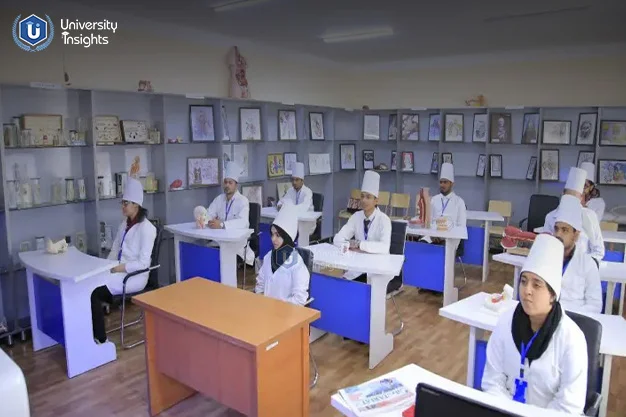
Andijan State Medical Institute- lab

Eligibility Criteria to Study MBBS At Karnali Academy of Health Sciences in 2026

To be eligible for admission to the MBBS program at Karnali Academy of Health Sciences (KAHS), prospective students must meet the following criteria:

Educational Qualifications:

  • Candidates must have completed their 10+2 education (or equivalent) with a focus on Science subjects.
  • A minimum aggregate score of 50% is required in the following subjects:
    • Physics
    • Chemistry
    • Biology

NEET Requirement:

  • Indian students must possess a valid NEET (National Eligibility cum Entrance Test) scorecard. This is mandatory for admission to the MBBS program at KAHS.
  • There is no specific qualifying score set by KAHS, but students are encouraged to achieve a competitive score to enhance their chances of admission.

Age Limit:

  • Candidates must be at least 17 years old on or before December 31 of the year of admission.
  • There is typically no upper age limit for admission, but students should check for any specific regulations that may apply.

Language Proficiency:

  • Proficiency in English is essential, as the medium of instruction for the MBBS program is English.
  • While IELTS or TOEFL scores are not mandatory, students should have a good command of the English language to effectively participate in the program.

Medical Fitness:

  • Candidates may be required to submit a medical fitness certificate from a recognized medical practitioner, confirming that they are physically fit to pursue the MBBS program.

Documentation:

  • Students must provide necessary documents during the application process, including:
    • 10th and 12th-grade mark sheets
    • NEET scorecard
    • Passport-sized photographs
    • Copy of passport or identification document
    • Medical fitness certificate (if required)

Want To Study MBBS in Karnali Academy of Health Sciences?

Study MBBS in Andijan state medical institute

Karnali Academy of Health Sciences Admission Process for MBBS Students 2026

The MBBS in Nepal program at Karnali Academy of Health Sciences (KAHS) follows a transparent, merit-based admission process. For the 2026 intake, students must fulfill academic, entrance exam, and documentation requirements. Indian students must qualify NEET-UG, while Nepalese and other international applicants are assessed through the MECEE-BL entrance exam. Here’s a step-by-step breakdown of the complete admission process:

Step 1: Check Eligibility Criteria

  • Completion of 10+2 or equivalent with Physics, Chemistry, Biology.
  • Minimum 50% aggregate marks in PCB subjects (or 2.4 GPA on a 4.0 scale).
  • For Indian students, a valid NEET-UG score (minimum 50th percentile).
  • Candidate must be 17 years or older as of December 31, 2025.
  • For other foreign nationals, eligibility must match criteria set by the Medical Education Commission (MEC), Nepal.

Step 2: Fill the Online Application Form

  • Visit the official KAHS website or authorized admission portal.
  • Complete the application form with accurate academic and personal information.
  • Upload the following scanned documents:
    • 10th and 12th mark sheets
    • NEET-UG scorecard (for Indian applicants)
    • Passport or valid ID
    • Passport-size photographs
  • Pay the application fee (approx. NPR 7,000 or INR 5,000) online.

Step 3: Entrance Examination

  • Indian applicants are evaluated based on NEET-UG scores (no additional exam required).
  • Nepalese and other foreign applicants must appear for the MECEE-BL entrance exam.
  • The exam follows MCQ format with:
    • +1 mark for each correct answer
    • –0.25 mark for each incorrect answer
  • Candidates must score above the 50th percentile to qualify.

Step 4: Document Verification

  • Shortlisted candidates must appear for document verification with original documents:
    • Academic certificates (10th, 12th, NEET scorecard)
    • Passport/National ID
    • Birth certificate
    • Character and medical fitness certificates
  • After successful verification, KAHS issues a provisional admission letter.

Step 5: Pay Admission & Tuition Fees

  • Candidates must pay the first installment of tuition fees to confirm the seat.
    • Approximate total tuition fee: USD 75,000 (can vary slightly)
  • Payment includes:
    • Tuition fee
    • Hostel and mess charges
    • Refundable security deposit
  • Upon payment, a final admission letter is issued.

Step 6: Visa and Travel Arrangements

  • Indian students do not require a visa to study in Nepal.
  • Other foreign nationals must apply for a student visa through the Nepalese Embassy.
  • Arrange travel to KAHS campus in Jumla. Airport pickup and hostel check-in support are usually provided.

Step 7: Reporting and Orientation

  • Report to the Karnali Academy of Health Sciences campus on the specified date.
  • Complete final registration, medical check-up, and hostel allotment.
  • Attend a student orientation program that introduces the academic schedule, campus facilities, and hostel rules.

Want To Study MBBS in Karnali Academy of Health Sciences?

andijan state medical university- conference hall

Documents Required for Admission At Karnali Academy of Health Sciences in 2026

To secure admission into the MBBS in Nepal program at Karnali Academy of Health Sciences (KAHS) for the academic year 2026, students must submit a comprehensive set of documents. These documents verify academic eligibility, identity, and financial capability and are essential for both domestic and international applicants, particularly Indian students. Below is a complete and well-organized guide to the documents required.

Academic and Eligibility Documents

  • 10+2 Certificate and Mark Sheets (Physics, Chemistry, Biology): Must have a minimum of 50% aggregate marks in PCB.
  • Class 10 Certificate (SLC/SEE or equivalent) and Character Certificate.
  • NEET UG Scorecard: Mandatory for Indian students applying for MBBS in Nepal.
  • Certificate of Equivalence: Required if the 10+2 education is from a foreign board.
  • Migration Certificate: Proof that the student is not currently enrolled in another institution.

Identity and Nationality Proof

  • Valid Passport: For Indian and foreign nationals.
  • Citizenship Certificate or National ID: Mandatory if a passport is not provided.
  • Birth Certificate: For age verification and admission formality completion.

Photographs and Health Certificates

  • Passport-Sized Photographs: 4–6 recent color photos with a white background.
  • Character Certificate: Issued by the last school or college attended.
  • Medical Fitness Certificate: Issued by a registered physician confirming physical and mental fitness.

Financial and Supportive Documents

  • Bank Statement or Proof of Funds: To confirm the availability of funds to cover tuition fees, hostel, and living expenses.
  • Income Certificate: Required for those applying for scholarships or financial concessions.

Want To Study MBBS in Karnali Academy of Health Sciences?

andijan state medical university- medical college front view

MBBS Syllabus At Karnali Academy of Health Sciences 2026

The MBBS in Nepal program offered by Karnali Academy of Health Sciences (KAHS) is designed to address the unique healthcare needs of Nepal’s rural and underserved populations. The curriculum follows the standards set by the Nepal Medical Council and spans over 5.5 years, which includes both academic study and a compulsory one-year internship. The teaching methodology emphasizes integrated, community-based, and student-centered learning with early clinical exposure from the first year itself. Below is a detailed year-wise breakdown of the MBBS syllabus at KAHS for the academic year 2025.

Year-Wise MBBS Syllabus Structure

Year

Phase

Subjects / Focus Areas

1st Year

Pre-Clinical

Anatomy, Physiology, Biochemistry, Community Health Sciences I & II

2nd Year

Para-Clinical

Pathology, Microbiology, Pharmacology, Forensic Medicine, Community Health (Advanced), Biostatistics & Research

3rd Year

Clinical – Part I

Internal Medicine I, Surgery I, Pediatrics I, Obstetrics & Gynecology I, Community Health

4th Year

Clinical – Part II

Internal Medicine II, Surgery II, Pediatrics II, Obstetrics & Gynecology II, ENT, Ophthalmology

5th Year

Clinical (Advanced)

Psychiatry, Dermatology, Orthopedics, Anesthesiology, Radiology, Emergency Medicine

6th Year

Internship

Rotatory Internship in major clinical departments including Community Medicine

Want To Study MBBS in Karnali Academy of Health Sciences?

andijan state medical university- auditoruim hall

Karnali Academy of Health Sciences Hostel And Accommodation

Hostel Facilities

Karnali Academy of Health Sciences (KAHS) provides comfortable and well-equipped hostel facilities for its students. The hostels are designed to create a conducive living environment that supports academic success and personal well-being. Key features of the hostel facilities include:

  • Room Types: The hostels offer a variety of room types, including shared and single occupancy options, allowing students to choose according to their preferences and budget.
  • Basic Amenities: Each room is furnished with essential amenities such as beds, study tables, chairs, and storage facilities. Common areas are available for relaxation and socializing.
  • 24/7 Security: The hostels are equipped with security measures, including surveillance cameras and security personnel, ensuring a safe living environment for all residents.
  • Wi-Fi Connectivity: High-speed internet access is provided in the hostels, allowing students to stay connected and complete their academic work efficiently.
  • Laundry Facilities: On-site laundry facilities are available for students to manage their personal laundry needs conveniently.

Accommodation Options

In addition to the hostel facilities provided by KAHS, students have various accommodation options in the vicinity of the campus. These options include:

  • Private Hostels: Several private hostels near the campus offer additional living arrangements for students. These hostels may provide different amenities and services, catering to various budgets.
  • Shared Apartments: Students can also opt for shared apartments, where they can live with fellow students. This option allows for a more independent living experience while still fostering a sense of community.
  • Homestays: For those seeking a more immersive cultural experience, homestays with local families can be arranged. This option provides students with the opportunity to learn about Nepali culture and language while living in a supportive environment.

Living Environment

The living environment at Karnali Academy of Health Sciences is designed to promote a balanced lifestyle for students. Key aspects of the living environment include:

  • Cultural Diversity: KAHS hosts a diverse student body, including both local and international students. This diversity fosters cultural exchange and collaboration, enriching the overall educational experience.
  • Supportive Community: The academy encourages a sense of community among students, with various extracurricular activities, clubs, and events that promote social interaction and personal development.
  • Proximity to Nature: Located in Jumla, the campus is surrounded by stunning natural landscapes, providing students with a peaceful and serene environment conducive to studying and relaxation.
  • Access to Facilities: Students have access to various facilities on campus, including libraries, laboratories, and recreational areas, ensuring that they have everything they need for a fulfilling academic experience.

Want To Study MBBS in Karnali Academy of Health Sciences?

andijan state medical university-exam hall

Living Cost in Nepal 2026

Accommodation Expenses

  • Student hostels are the most common and affordable option, ranging from NPR 7,000 to NPR 15,000 per month.
  • Private rented apartments near city centers can cost around NPR 20,000 to NPR 40,000 monthly.
  • Outside city center, the rent for a one-bedroom apartment drops to approximately NPR 11,000 to NPR 25,000.
  • Most university hostels include basic facilities like electricity, water, and security within the rent.
  • Shared accommodations help further reduce the monthly living cost for MBBS in Nepal.

Food and Grocery Costs

  • A basic Nepali meal at a local eatery costs around NPR 250–500 per meal.
  • Monthly mess or self-cooked food expenses range between NPR 8,000 and NPR 12,000.
  • Grocery staples such as rice, lentils, vegetables, eggs, and milk are affordable:
    • Milk (1L): NPR 300–500
    • Eggs (12): NPR 144–300
    • Rice (1 kg): NPR 100–150
  • Indian food is widely available in hostel mess and nearby restaurants, ensuring food adaptability.
  • Many students prefer cooking at home or subscribing to mess services offered by their colleges.

Transportation and Utilities

  • Public transport like buses and mini-vans cost between NPR 20 to NPR 50 per ride.
  • A monthly transportation pass ranges from NPR 1,000 to NPR 3,000.
  • Utilities (electricity, heating, water) in a shared flat or hostel average between NPR 2,500 and NPR 6,000 per month.
  • Mobile phone recharge and basic internet cost around NPR 800 to NPR 1,500 monthly.
  • Taxis start at NPR 200–300 for short distances, with per km charges of NPR 80–150 depending on the city.

Personal and Miscellaneous Expenses

  • Gym memberships for students cost between NPR 1,500 and NPR 5,000 per month.
  • Entertainment like cinema tickets are priced around NPR 300–600.
  • Coffee or snacks at local cafés usually cost NPR 100–300.
  • Occasional shopping, toiletries, and personal items add up to NPR 1,000–3,000 monthly.
  • Medical insurance or health checkups cost around NPR 1,000–2,000 for basic coverage.

Student Budget Tips

  • Share accommodation with fellow students to reduce rent and utility costs.
  • Use public transportation or walk short distances instead of taking taxis.
  • Cook at home or join the university mess to save on food expenses.
  • Opt for prepaid mobile and internet plans with student offers.
  • Participate in free or low-cost recreational activities such as hiking, local festivals, or student clubs.

Want To Study MBBS in Karnali Academy of Health Sciences?

andijan state medical university-students group

Why MBBS in Nepal 2026

Studying MBBS in Nepal in 2026 has become a preferred choice for Indian students due to its quality education, NMC-approved medical colleges, cultural proximity, and high FMGE pass rates. Nepal offers a safe, affordable, and academically compatible environment for students who seek a recognized medical degree without the high cost of private MBBS colleges in India. With increasing competition for medical seats in India, more NEET-qualified students are exploring Nepal as a reliable alternative to begin their medical journey.

Academic Compatibility with Indian Medical Curriculum

  • The MBBS course structure in Nepal is closely aligned with the Indian medical education system, making it easier for Indian students to adapt.
  • Standard Indian medical textbooks (like BD Chaurasia, Guyton, and Robbins) are followed, ensuring familiarity during FMGE or NExT preparation.
  • The medium of instruction is English, and many Indian faculty members teach in top Nepalese medical colleges.
  • Regular internal assessments and clinical rotations from the third year prepare students well for real-world medical practice.
  • Nepal’s medical education is regulated by the Medical Education Commission (MEC), ensuring quality and uniform standards across institutions.

Cost-Effective Medical Education

  • Total MBBS tuition fees in Nepal range from ₹40 to ₹65 lakhs, much lower than Indian private medical colleges charging over ₹75 lakhs.
  • Students are not required to pay capitation or donation fees, making the process more transparent and merit-based.
  • Hostel and mess charges are also economical, ranging from ₹8,000 to ₹12,000/month.
  • Many universities provide Indian food in hostels, reducing additional living expenses.
  • The open border between India and Nepal allows low-cost travel, and no visa is required for Indian citizens.

Recognized Colleges with High FMGE Success Rates

  • Over 20 NMC-approved medical colleges in Nepal allow Indian students to appear for FMGE/NExT in India after graduation.
  • Colleges like BPKIHS, Manipal College of Medical Sciences, and Kathmandu Medical College have FMGE pass rates of 35% to 55%, significantly higher than many other countries.
  • Degrees from these universities are also recognized by WHO, FAIMER, and UNESCO, enabling international opportunities post-MBBS.
  • Internship done in Nepal is valid in India (as per NMC Gazette, if completed in NMC-approved colleges).
  • Strong clinical training in affiliated teaching hospitals provides real-time experience in patient care and diagnosis.

Cultural Comfort and Student-Friendly Environment

  • Indian students feel at home due to shared cultural practices, festivals, and food habits across the border.
  • Hindi is widely understood and spoken, making communication easy in day-to-day life and patient interaction.
  • Nepal is politically stable, with a low crime rate and friendly locals, offering a secure environment for international students.
  • The absence of a language barrier, combined with an inclusive student community, helps reduce homesickness and cultural shock.
  • The open border and geographic proximity to India allow easy travel during vacations or emergencies without additional visa hassles.

Want To Study MBBS in Karnali Academy of Health Sciences?

andijan state medical university-students in classroom

Benefits of Studying MBBS in Nepal 2026

Advantages of Medical Education in Nepal for Indian Students

  • Cultural and Geographic Proximity: Nepal is visa‑free and shares language, food, and lifestyle similarities with India, making the transition easier for Indian students.
  • Recognized Degrees & NMC Compliance: MBBS in Nepal comes from WHO- and NMC-recognized institutions, ensuring eligibility for the FMGE and upcoming NExT licensing in India.
  • Affordable Tuition & Living Costs: Tuition fees range between ₹45–60 lakh, with a low cost of living (about ₹4,000–6,000/month), offering value compared to private colleges in India.
  • English-Medium Education with Indian Faculty: Teaching is in English, with many Indian professors and familiar curricula, easing academic adjustment.
  • Less NEET Pressure & Easy Admission: Admission depends on NEET qualification, but competition is significantly lower than in India’s overcrowded MBBS seat demands.

Opportunities for Global Exposure in the Medical Field

  • WHO-Listed and Globally Accredited Degrees: Institutions in Nepal are listed by WHO, enabling graduates to take international licensing exams like USMLE, PLAB, and AMC.
  • Early Clinical Exposure and Diverse Case Mix: Clinical rotations begin early, with exposure to varied patient cases in urban hospitals and rural health centres.
  • Multicultural Peer Interaction: Campuses host diverse international students, enhancing cultural competence and global communication skills.
  • Research and Exchange Programs: Some Nepali universities promote international research collaborations and student exchange opportunities, fostering global health perspectives.
  • Gateway to Postgraduate Studies Abroad: A Nepalese MBBS degree opens pathways to PG training worldwide, including in India after FMGE/NExT and abroad after USMLE/PLAB.

Want To Study MBBS in Karnali Academy of Health Sciences?

Andijan State Medical Institute- lab

Our Assistance for MBBS Admission in Karnali Academy of Health Sciences

Application and Visa Guidance

We offer comprehensive support throughout your application and visa journey, ensuring a seamless experience when you decide to pursue MBBS in Nepal.

  • We assist with completing the MBBS in Nepal application form for Karnali Academy of Health Sciences accurately and on time, reducing risk of delays.
  • Our team reviews all required documents (10+2 mark sheet, NEET scorecard, passport, photos, NEET UG qualification for Indian students) before submission.
  • We guide you through the MECEE‑BL entrance exam process and ensure your NEET score meets the 50th percentile requirement.
  • We help secure your Nepalese student visa, advising on necessary paperwork and liaising with the Nepal embassy or consulate to avoid any complications.
  • We track the admission status, confirm seat allocation among the limited 20 MBBS seats, and coordinate fee payment in compliant tranches.

Pre‑Departure and Post‑Arrival Assistance for Indian Students

Our support extends beyond admission to help you settle comfortably in Jumla and integrate effectively into both academic and local environments.

  • We provide an online pre‑departure briefing covering climate, Jumla’s geography, travel tips, and essential packing list (clothing, medications, study materials).
  • Upon arrival, our local representative greets you at Kathmandu or Jumla airport, assists with transportation, and takes you safely to the hostel.
  • We help with registration at Karnali Academy of Health Sciences, campus tour, and introduction to student services and medical facilities in the 300‑bed teaching hospital.
  • We arrange welcome orientation sessions to cover hostel rules, mess menus, Indian food options, and cultural adjustment in a predominantly Nepali environment.
  • Continuous support includes assistance with local SIM cards, opening a bank account, arranging medical insurance, and emergency contact facilitation.

Personalized Counseling Services

Dedicated to your academic and emotional well‑being, our counseling services ensure you feel supported throughout your MBBS journey in Nepal.

  • We match you with a personal counselor experienced in MBBS in Nepal, CET guidance, and life in a rural Nepali setting.
  • Regular one‑on‑one sessions help monitor your academic progress, identify challenges early, and develop tailored strategies for success.
  • We offer targeted counseling focused on building a strong foundation for FMGE/NExT, preparing you to compete with KaHS students and Indian abroad graduates.
  • Mental wellness check‑ins support stress management during early clinical exposure, rural rotations, and isolation in Karnali region.
  • We coordinate career guidance to help you evaluate postgraduate options in India (after FMGE/NExT), Nepal, or internationally, along with exam prep support for PLAB, USMLE, or similar.

Want To Study MBBS in Karnali Academy of Health Sciences?

Study MBBS in Andijan state medical institute

Popular MBBS Destinations for Indian Students

CountryApprox. Total MBBS Fee (6 Years)Highlights
Russia₹18 – ₹35 LakhsGlobally recognized degrees, affordable fees, over 30 MCI-approved universities, English-medium programs, strong clinical exposure.
Uzbekistan₹15 – ₹25 LakhsBudget-friendly option, English-medium teaching, modern infrastructure, growing destination for Indian students, low cost of living.
Kazakhstan₹18 – ₹30 LakhsHigh FMGE pass rate, NMC-approved universities, English curriculum, good clinical practice in well-equipped hospitals.
Kyrgyzstan₹16 – ₹24 LakhsEconomical, English-medium courses, simplified admission process, Indian food availability, cultural similarity.
Georgia₹30 – ₹50 LakhsEuropean standards of education, globally recognized, modern infrastructure, focus on clinical skills, safe environment.
Egypt₹25 – ₹35 LakhsStrong clinical exposure, affordable education, proximity to India, WHO and NMC recognition, culturally rich environment.
Iran₹20 – ₹30 LakhsHigh education standards, advanced medical facilities, affordable tuition fees, focus on research and development.
Bangladesh₹30 – ₹40 LakhsHighest FMGE pass rate, NMC-approved, similar curriculum to India, cultural and food familiarity, no language barrier.

Want To Study MBBS in Karnali Academy of Health Sciences?

andijan state medical university- medical college front view

Frequently Asked Questions for Studying MBBS in Karnali Academy of Health Sciences 2026-27

The Karnali Academy of Health Sciences admission process involves several steps, including checking eligibility criteria, filling out the online application form, submitting required documents (such as NEET scorecards and academic transcripts), and paying the application fee. After the review of applications, selected candidates will receive an admission offer, which they must accept by confirming their enrollment and paying the tuition fees.

Karnali Academy of Health Sciences offers a range of medical programs, primarily focusing on the Karnali Academy of Health Sciences course for the MBBS degree. The MBBS program is structured over 5.5 years, including both theoretical and practical training. Additionally, the academy may offer programs in nursing, public health, and allied health sciences, catering to various aspects of healthcare education.

The total tuition for the MBBS program at Karnali Academy of Health Sciences is approximately ₹50 lakh INR ($65,000 USD) over a 6‑year duration. This includes ₹9.2 lakh per year for the first five academic years and a reduced fee of ₹4 lakh for the final internship year. These figures cover tuition only; accommodation, mess, and other expenses are charged separately.

Karnali Academy of Health Sciences offers dedicated support for Indian students including English-medium instruction, NMC-recognized curriculum, and eligibility for FMGE/NExT. The university provides assistance with hostel accommodation, cultural integration, and early clinical exposure. Its NEET-based admission process and low tuition fees make it a preferred destination for Indian aspirants.

Karnali Academy of Health Sciences offers affordable, NMC-approved MBBS education with strong clinical exposure through its 300-bed teaching hospital. The university emphasizes rural and community health, making it ideal for students seeking hands-on experience. With English-medium instruction and a favorable student-teacher ratio, it’s a reliable choice for Indian students pursuing MBBS in Nepal.

Yes, Karnali Academy of Health Sciences (KAHS) is a recognized medical university established by an Act of the Nepalese Parliament in 2011. It is approved by the Nepal Medical Council (NMC), ensuring its MBBS degree is valid for medical practice in Nepal. KAHS is also listed in the World Directory of Medical Schools (WDOMS), making its graduates eligible to appear for licensing exams like FMGE and NExT. Additionally, it is accredited by the Nepal Nursing Council and the Nepal Health Professional Council, confirming its credibility across health science disciplines.

If you’re an Indian student planning to study MBBS in Nepal at Karnali Academy of Health Sciences (KAHS), follow these steps to apply:

  • Qualify NEET-UG: NEET qualification is mandatory for Indian students to be eligible for MBBS admission abroad, including Nepal.
  • Apply through MEC Nepal: Register with the Medical Education Commission (MEC), Nepal, and appear for the MECEE-BL entrance exam conducted for all foreign and Nepalese MBBS applicants.
  • Prepare and Submit Documents: Upload required documents such as NEET scorecard, 10+2 mark sheets, passport copy, recent photographs, and migration certificate as per MEC guidelines.
  • Select KAHS during Counseling: After clearing MECEE-BL, participate in the counseling process and choose Karnali Academy of Health Sciences based on your rank and preferences.
  • Get Expert Guidance: You can consult with University Insights for personalized admission support, including application filing, document assistance, and pre-departure arrangements.

Quick Info

Admission Queries

Read the Experiences of Students after taking University Insight's Services

These are grounded in real-life student experiences using University Insights to further their academic aspirations and overseas travel plans. Come forward and start your own amazing journey.These are grounded on real student experiences using University Insights to further their academic aspirations and international education goals. Approach and start your own amazing journey.

Want to Study MBBS Abroad?

Fill this form to get the Brochure for MBBS Abroad 2024!

By submitting this form, you accept and agree to our Terms of Use.

🎓 Want to get detailed Information?

Get a free personalised counselling call from University Insights experts. Or call Us Directly on +91 88827 45479

By submitting this form, you accept and agree to our Terms of Use.