

MBBS in Bangladesh continues to attract a growing number of Indian students seeking affordable, quality medical education with global recognition. Sheikh Mujib Medical University & Hospital, named after the Father of the Nation of Bangladesh, is one of the country’s leading institutions offering world-class medical training. With its state-of-the-art facilities, experienced faculty, and emphasis on both theoretical and clinical excellence, this university provides an excellent MBBS Abroad opportunity, especially tailored for those evaluating MBBS in Bangladesh for Indian Students. In this article, you’ll discover essential details about studying Bangladesh MBBS at Sheikh Mujib Medical University — including the admission process, tuition structure, eligibility, FMGE prospects, and overall advantages of pursuing an MBBS in Bangladesh Fees-friendly option. Its urban campus and attached hospital ensure hands-on medical exposure, making it a preferred choice among international applicants.
Bangabandhu Sheikh Mujib Medical University & Hospital (BSMMU) is the premier medical university in Bangladesh, established to provide advanced medical education, research, and healthcare services. As the country’s first public medical university, BSMMU is renowned for its commitment to excellence in medical training and clinical practice. The university offers a comprehensive MBBS program along with various postgraduate courses, focusing on producing skilled healthcare professionals.
For Indian students, BSMMU is an excellent choice due to its affordable tuition fees, English-medium instruction, and recognition by the Medical Council of India (MCI). The university’s curriculum is designed to meet international standards, and it supports Indian students in fulfilling NEET eligibility and admission requirements.
Located in Dhaka, the capital city of Bangladesh, BSMMU enjoys excellent connectivity with major Indian cities, making travel convenient. The university is situated near top hospitals, providing students with ample clinical exposure. With a balanced student-to-faculty ratio and a diverse student community, BSMMU offers a supportive and multicultural learning environment.
Bangabandhu Sheikh Mujib Medical University & Hospital (BSMMU) is the premier medical university in Bangladesh, established to provide advanced medical education, research, and healthcare services. Named after the Father of the Nation, Bangabandhu Sheikh Mujibur Rahman, the university is renowned for its commitment to excellence in medical sciences. It offers a wide range of undergraduate and postgraduate medical courses, with a strong emphasis on research and clinical practice. BSMMU is recognized for its state-of-the-art facilities and experienced faculty, making it a top choice for aspiring medical students.
For Indian students, BSMMU presents an excellent opportunity to pursue MBBS in a cost-effective and quality-driven environment. The university follows a curriculum that aligns closely with international medical education standards, and the medium of instruction is English, which eases the learning process for Indian students. Additionally, the university is recognized by the Medical Council of India (MCI), allowing graduates to practice in India after clearing the necessary licensing exams. The university also supports Indian students with guidance on NEET requirements and admission procedures.
Located in Dhaka, the capital city of Bangladesh, BSMMU enjoys a strategic position with excellent connectivity. Dhaka is well-connected by air, road, and rail to major Indian cities, making travel convenient for Indian students and their families. The university campus is situated near major hospitals and research centers, providing students with ample clinical exposure. The vibrant city life combined with affordable living costs makes Dhaka an attractive destination for medical education.
BSMMU maintains a balanced student-to-faculty ratio to ensure personalized attention and quality education. The university hosts a diverse student body, including a significant number of international students, especially from India. This diversity enriches the learning environment and fosters cultural exchange. The manageable class sizes and well-equipped labs contribute to an effective and interactive learning experience.

These affiliations and recognitions make Bangabandhu Sheikh Mujib Medical University & Hospital a reliable and prestigious institution for Indian students aspiring to pursue MBBS abroad.
Affordable Tuition and Living Costs
Compared to many Indian private medical colleges, BSMMU offers significantly lower tuition fees and living expenses, making it a cost-effective option for Indian students without compromising on quality education.
Recognition by Medical Council of India (MCI)
BSMMU is recognized by the MCI, which means Indian students can practice medicine in India after clearing the FMGE or NExT exams, ensuring their degree is valid and respected back home.
English-Medium Instruction
The entire MBBS course is taught in English, which eliminates language barriers and helps Indian students adapt quickly without the need to learn a new language.
Advanced Clinical Exposure
BSMMU is affiliated with several top hospitals in Dhaka, providing students with extensive hands-on clinical experience early in their studies, which is sometimes limited in Indian universities due to high student-to-patient ratios.
Internationally Recognized Curriculum
The university follows a curriculum aligned with global medical education standards, preparing students for international medical careers and postgraduate opportunities.
Multicultural Environment
Indian students study alongside peers from various countries, promoting cultural exchange and global networking, which is less common in many Indian medical colleges.
Simplified Admission Process
Admission to BSMMU is straightforward, with clear guidelines for Indian students, including NEET qualification, reducing the complexities often faced in Indian medical college admissions.
Strategic Location and Connectivity
Located in Dhaka, Bangladesh’s capital, the university is easily accessible from India with frequent flights and road connections, making travel convenient for students and their families.
Supportive Environment for Indian Students
BSMMU encourages research activities and provides opportunities for students to engage in medical research, which is a growing focus but still limited in many Indian medical colleges.
The university offers dedicated support services for Indian students, including assistance with visa, accommodation, and cultural adaptation, ensuring a smooth transition abroad.
Particulars | Details |
Established | 1998 |
Location | Dhaka, Bangladesh |
University Type | Public Medical University |
Recognition | BMDC, MCI, WDOMS, UGC Bangladesh |
MBBS Tuition Fees | Approx. USD 4,000 – 5,000 per year |
Medium of Instruction | English |
Total MBBS Duration | 5 years + 1-year internship |
Campus | Urban, with attached teaching hospital |
Eligibility | 10+2 with PCB, NEET qualified |
NEET Requirement | Mandatory for Indian students |
IELTS/TOEFL | Not required |
Medium of Teaching | English |
Admission Intake | Around 100-150 students per year |
Affordable Education and Living Costs
Compared to many private medical colleges in India, BSMMU offers a much more affordable tuition fee structure and lower living expenses, making it financially accessible for Indian students without compromising on quality.
Recognition by Medical Council of India (MCI)
BSMMU is recognized by the MCI, which means Indian students can return to India and practice medicine after clearing the FMGE or NExT exam, ensuring their degree holds value back home.
English Medium of Instruction
The entire MBBS course is taught in English, which eliminates language barriers and helps Indian students adapt quickly without the need to learn a new language for academic purposes.
Exposure to Diverse Clinical Cases
Being a top medical university in Bangladesh, BSMMU offers students exposure to a wide variety of clinical cases in its affiliated hospitals, providing practical experience that is sometimes limited in Indian colleges due to patient overload or restrictions.
Modern Infrastructure and Research Facilities
BSMMU is equipped with modern labs, research centers, and teaching hospitals, offering Indian students access to advanced medical technology and research opportunities not always available in many Indian government colleges.
Cultural and Geographical Proximity
Bangladesh shares cultural similarities and geographical proximity with India, making it easier for Indian students to adjust socially and culturally compared to studying in distant countries.
Simplified Admission Process
The admission process at BSMMU is straightforward, with clear guidelines for Indian students, including NEET qualification requirements, reducing the complexity often faced in Indian private medical college admissions.
Balanced Student-to-Faculty Ratio
BSMMU maintains a favorable student-to-faculty ratio, ensuring personalized attention and better academic support, which can be a challenge in many overcrowded Indian medical colleges.
Safe and Supportive Environment for Indian Students
The university and local community provide a safe, welcoming environment for Indian students, with support services tailored to their needs, including assistance with visa, accommodation, and cultural integration.
Global Recognition and Career Opportunities
Graduates from BSMMU can pursue further studies or practice medicine internationally, as the university is listed in the World Directory of Medical Schools, opening doors beyond India.
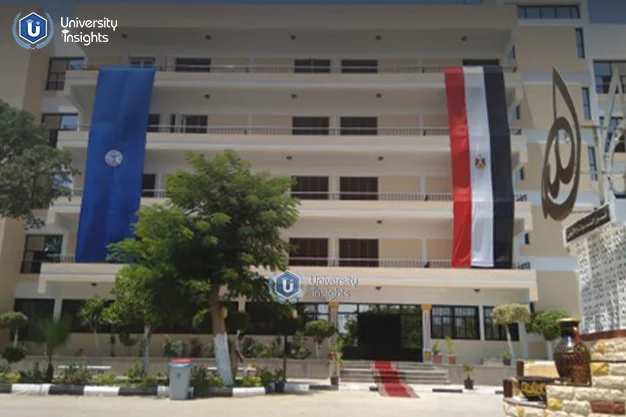
The MBBS program lasts for 6 years in total. This includes 5 years of academic coursework and 1 year of mandatory internship. The internship is crucial for gaining practical clinical experience under supervision.
During the first 5 years, students study a comprehensive curriculum covering subjects like anatomy, physiology, biochemistry, pathology, pharmacology, microbiology, forensic medicine, and clinical disciplines such as medicine, surgery, pediatrics, and gynecology.
After completing the academic portion, students must undergo a 1-year internship at affiliated hospitals. This hands-on training allows students to apply their knowledge in real clinical settings, improving their skills and confidence.
The entire course is taught in English, which is advantageous for Indian students as it eliminates language barriers and aligns with international medical education standards.
Admissions usually open in the first quarter of the year, with application deadlines around March-April. Classes typically begin in July or August. It’s important for Indian students to complete their NEET qualification and submit all required documents before these deadlines.
Students undergo periodic exams throughout the 5 years, including professional exams after each phase. Passing these is mandatory to progress to the next year and eventually qualify for the internship.
Upon successful completion of the 6-year program, graduates receive an MBBS degree recognized by the Medical Council of India (MCI), enabling them to appear for the FMGE/NExT exam to practice in India
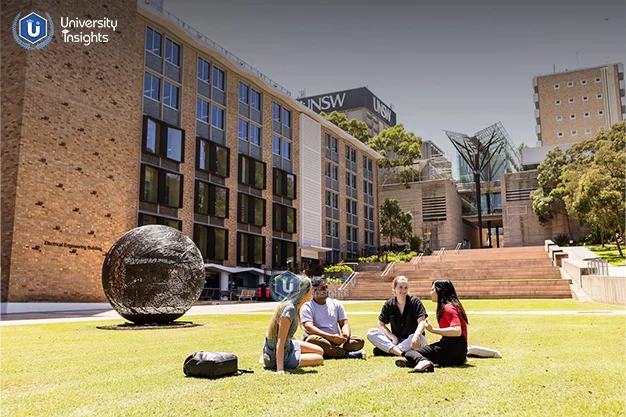
This faculty is the core of the university, offering a comprehensive MBBS program that combines theoretical knowledge with extensive clinical training. It covers major medical disciplines such as internal medicine, surgery, pediatrics, and obstetrics & gynecology. The faculty emphasizes evidence-based learning and hands-on experience in affiliated hospitals, preparing students to become competent medical professionals. Experienced faculty members and modern teaching facilities support a high standard of education.
Focused on community health and preventive medicine, this faculty trains students in epidemiology, biostatistics, environmental health, and health policy. It aims to develop professionals who can address public health challenges through research, policy-making, and health promotion programs. The faculty collaborates with government and international health organizations to provide practical exposure.
This faculty offers education and research opportunities in fields like biochemistry, microbiology, pathology, and pharmacology. It supports the medical faculty by providing foundational knowledge about disease mechanisms, diagnostics, and therapeutics. Students and researchers here engage in cutting-edge biomedical research to advance medical science.
Dedicated to training skilled nursing professionals, this faculty offers programs that combine clinical practice with theoretical studies in patient care, nursing ethics, and healthcare management. It prepares nurses to work effectively in hospitals, community settings, and specialized care units.
This faculty focuses on training students in various surgical disciplines, including general surgery, orthopedics, neurosurgery, and cardiovascular surgery. It combines theoretical lessons with hands-on experience in state-of-the-art operation theaters. Students learn preoperative and postoperative care, surgical techniques, and patient management under expert supervision, preparing them for diverse surgical challenges.
This faculty emphasizes preventive medicine, epidemiology, and health promotion. It trains students to understand community health issues, design public health interventions, and manage healthcare systems. The curriculum includes fieldwork in rural and urban settings, enabling students to apply their knowledge in real-world scenarios and contribute to improving population health.
This faculty covers foundational subjects such as anatomy, physiology, biochemistry, pathology, microbiology, and pharmacology. It provides the essential scientific background necessary for clinical practice. The faculty uses modern laboratories and teaching methods to ensure students grasp the structure and function of the human body and disease mechanisms.
Dedicated to dental education and oral health, this faculty offers training in dental surgery, orthodontics, periodontics, and prosthodontics. Students gain practical skills in diagnosing and treating dental diseases, performing surgeries, and promoting oral hygiene.
This faculty prepares students for professional nursing roles, focusing on patient care, nursing ethics, and healthcare management. It combines classroom instruction with clinical practice in hospitals, equipping students to support medical teams and provide compassionate care.
Fee Component | Approximate Cost (USD) |
Tuition Fees (per year) | $3,000 – $4,000 |
Hostel/Accommodation Fees (per year) | $500 – $1,000 |
Admission/Registration Fees | $200 – $400 |
Other Miscellaneous Fees | $300 – $500 |
Ranking Aspect | Position / Details |
Overall National Ranking | Among the top medical universities in Bangladesh, recognized as the premier medical university in the country |
Research Ranking (SCImago) | Ranked within the top 25 universities in Bangladesh for medical research output and impact |
Innovation Ranking | High innovation score due to active research and patent contributions in medical sciences |
Societal Impact Ranking | Strong societal ranking based on community engagement and healthcare services |
Recognition | Recognized by the Bangladesh Medical and Dental Council (BMDC) and Medical Council of India (MCI) |
Overall National Ranking: Bangabandhu Sheikh Mujib Medical University & Hospital is widely regarded as the top medical university in Bangladesh. It holds a prestigious position nationally due to its advanced medical education, research output, and clinical services. It is often ranked above other medical institutions in the country for its quality and reputation.
Research Ranking: In terms of research, BSMMU is recognized for its contributions to medical science and healthcare research in Bangladesh. It ranks among the leading universities in the country for research publications and collaborations, often appearing in regional academic rankings such as SCImago Institutions Rankings.
International Recognition: While not always featured in global university rankings like QS or Times Higher Education, BSMMU’s inclusion in the World Directory of Medical Schools and recognition by international medical councils enhances its global standing.
Ranking for Indian Students: From the perspective of Indian students, BSMMU is highly valued for its MCI recognition, affordable fees, and quality education, making it a preferred choice compared to many private Indian medical colleges.
Minimum Academic Qualification: Candidates must have completed 10+2 or equivalent with Physics, Chemistry, and Biology as core subjects, securing at least 50% marks in aggregate.
NEET Qualification: Indian students must qualify the NEET (National Eligibility cum Entrance Test) exam and possess a valid NEET scorecard, as it is mandatory for admission to any medical university abroad recognized by the Medical Council of India.
Age Limit: Candidates should be at least 17 years old by December 31 of the admission year.
English Proficiency: Since the medium of instruction is English, students should have a good command of the language. Some universities may require IELTS or TOEFL scores, but BSMMU generally conducts classes in English without mandatory IELTS/TOEFL.
Passport and Visa: Indian students must have a valid passport and obtain a student visa for Bangladesh before admission.
Medical Fitness: Applicants should be medically fit and may be required to submit a medical fitness certificate.No Entrance Exam at BSMMU: Admission is generally based on NEET qualification and academic records; BSMMU does not conduct a separate entrance exam for international students.
Ensure you meet the eligibility criteria, including passing 10+2 with Physics, Chemistry, and Biology, and qualifying the NEET exam with a valid scorecard for Indian students.
Fill out the university’s admission application form online or offline as per the official guidelines. Submit all required documents along with the application.
The university will verify your academic certificates, NEET scorecard, passport, and other necessary documents.
Once verified, the university issues an admission offer letter to successful candidates.
Pay the required tuition and admission fees as per the fee structure to confirm your seat.
Apply for a student visa at the Bangladesh Embassy or Consulate in India using the admission offer letter and other required documents.
After visa approval, travel to Bangladesh and report to the university on the specified date for orientation and commencement of classes.
Completed Application Form: This is the official form provided by the university that must be accurately filled out with personal, academic, and contact details. It initiates the admission process.
10+2 or Equivalent Mark Sheets and Certificates: Students must submit their higher secondary education mark sheets and certificates showing completion of 10+2 or equivalent with Physics, Chemistry, and Biology. This proves academic eligibility.
NEET Scorecard and Qualifying Certificate: For Indian students, submitting a valid NEET scorecard is mandatory as per Indian government regulations. This confirms that the student has qualified for the NEET exam, which is essential for pursuing MBBS abroad and practicing in India later.
Passport Copy: A valid passport is required for international travel and visa processing. The passport should be valid for the entire duration of the MBBS course.
Birth Certificate or Proof of Age: This document verifies the student’s age to ensure they meet the minimum age requirement for admission.
Passport-Sized Photographs: Recent photographs are needed for identification and official records.
Medical Fitness Certificate: Some universities require a health certificate to confirm the student is medically fit to pursue the course.
Character Certificate: A certificate from the previous institution or a recognized authority confirming the student’s good conduct.
Year | Subjects / Courses Covered |
1st Year | Anatomy, Physiology, Biochemistry |
2nd Year | Pathology, Microbiology, Pharmacology |
3rd Year | Forensic Medicine, Community Medicine, General Medicine |
4th Year | Surgery, Obstetrics & Gynecology, Pediatrics |
5th Year | Medicine, Surgery, Obstetrics & Gynecology, Pediatrics |
Internship | One-year clinical internship in various hospital departments |
The university offers separate hostels for male and female students, ensuring privacy and security. Hostels are equipped with basic furniture, clean bedding, study desks, and common recreational areas. Regular maintenance and housekeeping services are provided to maintain hygiene and comfort.
Indian students can choose from on-campus hostels or nearby private accommodations. On-campus hostels provide a safe and convenient living environment close to academic buildings and hospital facilities. Private accommodations offer more flexibility and can be more affordable, with options for shared rooms or apartments.
Security is a top priority, with 24/7 surveillance and controlled access to hostels. Amenities such as Wi-Fi, laundry services, and mess facilities with nutritious meals are available. The university also ensures medical support and emergency services within the campus.
Living on campus allows Indian students to interact with peers from diverse backgrounds, fostering cultural exchange and support networks. Regular events and student clubs help create a vibrant community life.
Expense Category | Approximate Monthly Cost (USD) |
Accommodation | $100 – $150 |
Food | $80 – $120 |
Transportation | $20 – $30 |
Utilities & Internet | $15 – $25 |
Miscellaneous | $20 – $30 |
Living expenses in Dhaka, Bangladesh, are generally lower than in many Indian metropolitan cities. This includes costs for food, transportation, and daily essentials, making it an economical choice for Indian students pursuing MBBS.
Hostel fees or rented apartments near the university are affordable, with options ranging from shared rooms to single occupancy. Hostels often include basic amenities, reducing additional expenses.
Local food and groceries are inexpensive, and students can enjoy a variety of cuisines, including Indian food, at reasonable prices. This helps maintain a comfortable lifestyle without overspending.
Public transport and ride-sharing services are widely available and affordable, making commuting to the university and around the city convenient and cost-effective.
Recognition by Medical Council of India (MCI): Degrees from Bangladeshi medical universities are recognized by the MCI, allowing Indian students to practice medicine in India after passing the licensing exams.
English Medium Instruction: The entire MBBS course is taught in English, which helps Indian students easily understand the curriculum and communicate effectively during clinical practice.
Cultural and Geographical Proximity: Bangladesh shares cultural similarities and is geographically close to India, making it easier for Indian students to adapt socially and travel back home when needed.
Simplified Admission Process: Admission procedures are straightforward, with clear requirements such as NEET qualification, reducing the complexity often faced in Indian medical college admissions.
Diverse Clinical Exposure: Students get hands-on experience with a wide range of clinical cases in affiliated hospitals, which enhances practical learning and prepares them for real-world medical practice.
Modern Infrastructure and Research Facilities: Many universities in Bangladesh have well-equipped labs, teaching hospitals, and research centers, providing students with access to advanced medical technology.
Safe and Supportive Environment: Bangladesh offers a safe living and learning environment with support services tailored for international students, including Indians.
Global Recognition: Medical degrees from Bangladesh are listed in international directories, enabling graduates to pursue further studies or careers worldwide.
Reasonable Living Costs: The cost of living, including accommodation, food, and transportation, is generally lower than in many other countries, easing financial burdens.
Experienced Faculty: Universities employ qualified and experienced faculty members who provide quality education and mentorship.
Multicultural Student Community: Indian students study alongside peers from various countries, promoting cultural exchange and global networking.
Focus on Research and Innovation: Increasing emphasis on medical research allows students to engage in innovative projects during their studies.
Good Student-to-Faculty Ratio: Smaller class sizes ensure personalized attention and better academic support.
Affordable Education: Tuition and living costs are much lower compared to many other countries, making it budget-friendly for Indian students.
MCI Recognition: Degrees from Bangladeshi medical universities are recognized by the Medical Council of India, allowing graduates to practice in India after licensing exams.
English Medium Instruction: The entire course is taught in English, which helps Indian students adapt easily without language barriers.
Cultural Similarity: Bangladesh shares cultural, social, and dietary similarities with India, making it easier for Indian students to adjust.
Quality Clinical Exposure: Students get hands-on experience in well-equipped hospitals with a diverse patient population.
Simplified Admission Process: Admission is straightforward with clear guidelines, especially for NEET-qualified Indian students.
Global Recognition: Many Bangladeshi medical universities are listed in international directories, opening doors for global career opportunities.
Close Proximity to India: Geographical closeness allows easy travel and communication with family.
We provide end-to-end support for Indian students aspiring to study MBBS at Bangabandhu Sheikh Mujib Medical University & Hospital. Our services include personalized counseling to help you understand eligibility criteria, course structure, and admission requirements. We assist with accurate and timely application submission, document verification, and guidance on NEET qualification compliance.
Our team also supports you through the visa application process, pre-departure briefings, and helps arrange safe and affordable accommodation near the university. We keep you updated on admission deadlines and university notifications, ensuring a smooth and hassle-free admission journey.
| Country | Duration of MBBS Program | Approximate Tuition Fee (INR) | Approximate Living Cost Per Year (INR) | Medium of Instruction | Recognition and Accreditation |
|---|---|---|---|---|---|
| Russia | 6 years | 18–35 lakhs | 2–4 lakhs | English/Russian | Recognized by WHO, NMC; globally accepted degrees |
| Uzbekistan | 6 years | 15–25 lakhs | 1.5–3 lakhs | English | Recognized by WHO, NMC; affordable medical education |
| Kazakhstan | 5 years | 18–30 lakhs | 2–3.5 lakhs | English/Kazakh/Russian | Recognized by WHO, NMC; modern medical infrastructure |
| Kyrgyzstan | 5–6 years | 15–22 lakhs | 1.5–3 lakhs | English | Recognized by WHO, NMC; budget-friendly medical education |
| Iran | 7 years | 22–35 lakhs | 2.5–4 lakhs | Persian/English | Recognized by WHO, NMC; offers research-oriented medical programs |
| Egypt | 5–6 years | 28–40 lakhs | 3–4 lakhs | Arabic/English | Recognized by WHO, NMC; known for clinical exposure |
| Nepal | 5.5 years | 35–50 lakhs | 2.5–4 lakhs | English/Nepali | Recognized by WHO, NMC; similar syllabus and study pattern to India |
| Bangladesh | 5 years | 30–40 lakhs | 2–3.5 lakhs | English/Bengali | Recognized by WHO, NMC; follows Indian medical curriculum |
Yes, NEET qualification is mandatory for Indian students who want to pursue MBBS abroad. The Medical Council of India (MCI) requires all Indian students to clear NEET to be eligible for admission in foreign medical universities. Without a valid NEET score, students cannot apply for MBBS courses abroad or appear for the Foreign Medical Graduate Examination (FMGE) in India, which is necessary to practice medicine. NEET ensures that students meet the minimum academic standards before pursuing medical education overseas.
The duration of the MBBS course abroad typically ranges from 5 to 6 years, including a mandatory internship period. For example, in Bangladesh, the course usually lasts 5 years followed by a 1-year internship. The internship is crucial for gaining practical clinical experience. The total duration may vary slightly depending on the country and university, but it generally aligns with global medical education standards
Degrees from foreign medical universities recognized by the Medical Council of India (MCI) or the National Medical Commission (NMC) are valid in India. Graduates must clear the Foreign Medical Graduate Examination (FMGE) or the new National Exit Test (NExT) to practice medicine in India. It is important to choose universities listed in the World Directory of Medical Schools and recognized by Indian authorities to ensure eligibility for licensing exams.
Most reputed foreign medical universities, especially in countries like Bangladesh, Russia, and Kazakhstan, offer MBBS courses in English. This helps Indian students adapt easily without language barriers. However, some universities may also teach local languages for clinical practice, which students can learn during their course. English medium instruction ensures smooth academic progress and better communication in clinical settings.
Living costs vary by country but are generally affordable in popular MBBS destinations like Bangladesh, Nepal, and some Central Asian countries. Expenses include accommodation, food, transportation, and personal needs. For example, monthly living costs in Bangladesh range from $200 to $350, which is economical compared to many other countries. Indian students often find cultural similarities and affordable lifestyle options that help manage expenses effectively.
Most foreign medical universities do not conduct separate entrance exams for international students. Admission is usually based on academic qualifications and NEET scores for Indian students. Some countries or universities may require additional interviews or document verification. The absence of tough entrance exams makes admission more accessible, but students must meet eligibility criteria and submit valid NEET scores.
Work regulations vary by country. In many MBBS destinations, international students are not allowed to work part-time during their studies due to visa restrictions. The focus is primarily on academics and clinical training. However, some countries may permit limited work opportunities or internships related to medical training. It’s important to check the specific country’s rules before planning any part-time work.
After receiving an admission offer, students must apply for a student visa at the respective country’s embassy or consulate. The process typically requires submission of admission letters, passport, financial proof, medical certificates, and visa application forms. Visa processing times vary, so it’s advisable to apply early. Some universities assist students with visa documentation and guidance to ensure a smooth process.
These stories are rooted in genuine student experiences, where University Insights played a key role in shaping their medical education and international journey. From securing admissions to thriving in foreign universities, each testimonial reflects the impact of informed guidance and support. Now it’s your turn—take the first step toward your dream of studying abroad. With University Insights by your side, your academic goals and global aspirations are closer than ever. Let your journey begin today.
Sheikh Mujib Medical University & Hospital
Sheikh Mujib Medical University & Hospital
Sheikh Mujib Medical University & Hospital
Sheikh Mujib Medical University & Hospital
Sheikh Mujib Medical University & Hospital
Sheikh Mujib Medical University & Hospital
Fill this form to get the Brochure for MBBS Abroad 2024!
By submitting this form, you accept and agree to our Terms of Use.
Fill this form so that we may connect to you regarding the best courses suitable to your profile, or the courses/countries you are interested in to Study Abroad!
By submitting this form, you accept and agree to our Terms of Use.
Get a free personalised counselling call from University Insights experts. Or call Us Directly on +91 88827 45479
By submitting this form, you accept and agree to our Terms of Use.