Europe is a diverse continent with over 40 countries, but a few stand out as top study destinations for international students. Here we highlight some of the most popular and high-ranking countries in Europe for higher education, based on student preferences, search demand, and academic reputation. Each offers something unique in terms of education system, courses, and student life.
Study in Germany
Germany is often the first choice for students looking to study in Europe – and with good reason. It boasts world-class universities, no tuition fees at public institutions, and a strong economy with job prospects. In recent years, Germany has experienced a surge in foreign students; it hosted about 39,600 Indian students in 2025-26, a 38% increase from 2021. Projections suggest the total Indian student population in Germany could reach 114,000 by 2030, underscoring Germany’s growing appeal.
Top Universities: German universities are renowned for engineering, technology, and scientific research. Institutions like the Technical University of Munich and Ludwig Maximilian University of Munich consistently rank among the world’s top 50. Additionally, Germany’s universities of applied sciences offer excellent industry-oriented programs. Many German degrees are highly respected by employers worldwide, especially in engineering, automotive, and manufacturing sectors.
Tuition and Costs: Studying in German (Italy: Tuition fees & cost of living | Study.eu)y affordable. Tuition is free for international students at virtually all public universities (for both undergraduate and master’s), with just a small semester administration fee in most cases. (One exception is the state of Baden-Württemberg, which charges approx. €1,500 per semester for non-EU students, but many other states remain free.) This means you can get a degree from a top university without paying tuition – a huge draw for students. Living costs are moderate: on average about €850–€1,000 per month is required to cover living expenses including rent, food, transport, insurance, etc. (the German government currently requires proof of about €992 per month for visa purposes). Cities like Munich and Frankfurt are pricier, whereas smaller cities are cheaper. Overall, Germany offers high ROI – world-class education at minimal cost.
Language and Programs: Germany offers a large number of English-taught programs, especially at the master’s level. There are over 1,500 English-medium courses listed for Germany, including many in engineering, AI, business, and sciences. No German language knowledge is needed for those programs (and no IELTS is needed for visa if your admission letter states the program is in English). However, learning basic German is recommended for daily life and part-time work. If you prefer to study in German (many bachelor’s are in German), you will need proficiency (TestDaF or DSH exam). Many universities offer German language preparatory courses or you can take one in India before going.
Job Opportunities: Germany’s robust economy makes it attractive for career-focused students. There is high demand for skilled graduates in engineering, IT, automotive, and healthcare fields. As a student, you can work part-time up to 120 days per year (about 20 hours per week) to support yourself. After graduation, Germany offers an 18-month post-study work visa to seek employment – one of the longest in Europe. This, coupled with skill shortages in certain sectors, means many international graduates successfully transition to jobs in Germany. In fact, about 50% of international students choose to stay in Germany after finishing studies – and the country has streamlined paths to work visas and even permanent residency within 2 years of full-time employment. For Indian students especially, Germany’s STEM programs and career options are a huge draw. As one expert observed, “Germany is steadily gaining ground as a top choice for Indian students, reflecting a shift in focus to affordability, structured learning, and overall well-being”.
Student Life: Living in Germany is a rich cultural experience. Universities have active campus lives with clubs (including many Indian student associations in big universities), sports, and events. Most German cities are very student-friendly with discounts for transport and entertainment. You can explore Germany’s vibrant cities (Berlin’s startup scene, Munich’s culture, Hamburg’s harbors) and also enjoy its picturesque towns and castles. Public transportation is excellent. While German is the primary language, English is widely understood in universities and city centers. Overall, studying in Germany offers a balanced experience – academically rigorous, culturally enriching, and financially sensible. (Internal link suggestion: If you want a deep dive, see our Study in Germany Guide for details on applications, top courses, and living in Germany.)
Study in France
France has long been a center of art, culture, and learning. Today, it is increasingly popular among international students for its prestigious institutions, diverse program offerings (from fashion to management to STEM), and a blend of tradition with modern innovation. More than 12,000 Indian students were studying in France in 2023, and the number grows each year as France internationalizes its campuses and offers more English-taught courses.
Top Universities and Courses: France’s higher education includes the public universities (like Sorbonne University, Université PSL, University of Paris-Saclay – several of which rank in the global top 100) and the elite Grandes Écoles (such as École Polytechnique, HEC Paris, INSEAD for MBA, Sciences Po for politics). These institutions are known for excellence in fields like business, luxury brand management, engineering, art and design, and culinary studies. If you’re interested in fields such as fashion design, hospitality, or the arts, France is unparalleled (Paris is often called the art and fashion capital of the world). For science and technology, schools like École Polytechnique or CentraleSupélec produce world-class engineers. French MBA and management programs (e.g. HEC, INSEAD, ESSEC) are top-ranked globally. France thus caters to a wide academic spectrum – whether you want to study haute couture or data science, you’ll find a great program.
Tuition and Costs: France is attractive financially because the government subsidizes higher education heavily. Tuition fees at public universities for international (non-EU) students were standardized in 2019: about €2,770 per year for Bachelor’s (Licence) programs and €3,770 per year for Master’s programs at public institutions. (PhD fees remain low ~€380/year.) These fees are a fraction of what you’d pay in other countries for similar quality. Additionally, many universities or regional councils offer fee waivers or scholarships that can further reduce costs (in some cases, outstanding non-EU students pay the same low fees as EU students, ~€170/year, essentially full waiver of the international fee). Private Grandes Écoles and MBA programs do charge higher tuition (ranging from €5,000 up to €20,000+ per year), but they often come with scholarship options too (e.g. Eiffel Excellence Scholarship, discussed later).
Living in France, especially Paris, can be moderately expensive but still manageable. On average, students need about €700–€1,000 per month for living expenses, depending on the city. Campus France (the official agency) advises showing €615 per month for living costs when applying for a visa. Smaller cities like Lyon, Toulouse, or Nantes are on the lower end (some students get by with ~€600/month), whereas Paris requires closer to €1,000+ (rent being the biggest factor). To save costs, many students opt for subsidized student housing (CROUS dormitories in France can be as low as €200–€400 in smaller cities). Overall, France provides high-quality life and education at a reasonable cost, particularly if you take advantage of student discounts and housing aid (yes, international students can get housing allowance from the French government!).
Language and Programs: Worried about French language? The good news is that France now offers over 1,600 programs taught entirely in English, including bachelor’s, master’s, and MBAs. Many top business schools and universities have English-taught degrees to attract international talent. English-taught programs are common in fields like management, engineering, and international studies. (Ireland, Germany, (Study in Europe: Latest News, Cost of Study in Europe, Cost of living, Career Opportunities)herlands are among the top in Europe for number of English-taught programs, but France is not far behind.) No French is required to enroll in those, though you’ll still pick up the language for daily life. That said, learning French will greatly enrich your experience and is useful if you plan to work in France or with French companies. If your program is in French, you’ll need to demonstrate proficiency (typically B2 level via tests like DELF/DALF). Many Indian students start learning basic French through Alliance Française centers in India before departure. Also, universities often offer free French language classes to international students. Thus, you can absolutely thrive in France with English only, but embracing the French language can open more doors.
Work and Career: France is keen to retain international graduates. After a master’s or higher, you can get a temporary residence permit (APS) to remain in France for up to 12–24 months to seek employment. (Typically it’s 12 months, renewable for another 12 for master’s grads, effectively 2 years.) During this period, you can work part-time (up to 964 hours/year, which is ~20 hours/week), and once you secure a qualifying full-time job, you can transition to a work visa. France has a dynamic economy with strong industries in luxury goods, aviation (Airbus in Toulouse), automotive, technology, and banking. Knowledge of French is an advantage in the job market, but many multinational firms in France (especially in IT and consulting) hire English-speaking grads. Notably, MBA and business graduates from top schools often find opportunities in Paris or other European financial hubs. France also encourages entrepreneurs – you can switch to an entrepreneur visa if you start a company. The unemployment rate for degree-holders is relatively low, and salaries are competitive (Paris offers some of Europe’s highest graduate salaries for business and tech roles). In summary, France provides not just a degree but also a pathway to an international career, whether in France or elsewhere in Europe.
Student Life: As a student in France, you’ll experience a rich cultural life – think weekends in museums, cafés, and historic streets. Universities have active student unions organizing events, excursions, and cultural integration activities. There are many Indian student associations in France (for example, in Paris and Toulouse) that celebrate Diwali, Holi, etc., making you feel at home. Public transport is excellent and discounted for students. With your long-stay student visa (VLS-TS), you can travel freely around Europe on weekends (France’s location makes it easy to hop to Spain, Italy, or Germany). French campuses are quite diverse; aside from Europea (Cost of living in France – single, family & student – Instarem), you’ll meet students from Africa, the Americas, and Asia – truly a global experience. And of course, the culinary experience is amazing – from delicious pastries to cheeses – which is very much a part of French life! Overall, studying in France is intellectually stimulating and personally rewarding, giving you a global perspective with a French flair. (Internal link suggestion: See our Study in France guide for more on the French education system and student life tips.)
Study in the Netherlands
The Netherlands is a very popular destination for international students, known for its innov (Indian Student Numbers in Germany to Skyrocket by 298% by 2030: Opportunities, Scholarships, and What’s Driving the Trend – Times of India)n system, wide ra (STAY BACK AND WORK PERMIT AFTER STUDYING IN FRANCE – Exxeella Education Group)lish-taught programs, and friendly environment. Despite being a small country, the Netherlands punches above its weight in higher education – Dutch universities are consistently well-ranked globally, and the country is a leader in fields like water management, agriculture, renewable energy, and design. About 115,000+ international students study in the Netherlands (as of recent years), and it’s especially favored by Indian students looking for quality education in an English-speaking setting.
Top Universities: The Netherlands has several universities in the world top 100. Delft University of Technology (TU Delft) is renowned for engineering and technology. University of Amsterdam, Utrecht University, Leiden University, and Wageningen University (famous for agricultural sciences) are all highly respected research universities. The Dutch also have Universities of Applied Sciences (UAS) which offer more practical, profession-oriented degrees (popular in fields like business, IT, art, etc.). For example, The Hague University of Applied Sciences or Fontys UAS provide excellent industry-aligned programs. Many Dutch universities are very international in outlook – about 24% of all international students in Europe study in Germany, and the next highest share is in France and the Netherlands. This reflects how welcoming and accessible Dutch institutions are.
Language and Programs: A key advantage of studying in Holland is the availability of programs in English. The Netherlands has one of the highest numbers of English-taught programs in continental Europe, with thousands of courses across disciplines. In fact, Germany, Ireland, and the Netherlands lead Europe in English-taught on-campus programmes outside the native English countries. You can find entire bachelor’s degrees in English (over 400 undergraduate courses) and the majority of master’s programs are offered in English. This means you can earn a Dutch degree without learning Dutch – though picking up some Dutch can be fun and helpful (Dutch is linguistically close to English and not too difficult at a basic level). The Dutch are extremely proficient in English; about 95% of locals speak English, so communication is easy. Universities often include basic Dutch language classes for international students (so you can learn to order your stroopwafel in Dutch!).
Tuition and Scholarships: The Netherlands is not free, but tuition is moderate compared to the US/UK. For non-EU students, annual tuition fees at Dutch research universities typically range from ~€6,000 up to €15,000 for bachelor’s programs, and €8,000 up to €20,000 for master’s programs. The exact fee depends on the course and institution (engineering and medicine are on the higher end; humanities are lower). For example, a psychology BSc might be ~€8,000/year, whereas an MSc in Data Science might be €15,000/year. These figures are significantly lower than equivalent programs in many other countries. Additionally, the Dutch government and universities offer various scholarships for international students: the Holland Scholarship (€5,000 for first-year non-EU students), Orange Tulip Scholarship (which is specifically for students from certain countries including India, offering partial or full tuition waivers at participating universities), and university-specific scholarships (e.g. TU Delft Excellence Scholarship). Many Indian students benefit from these to reduce costs. It’s highly recommended to apply early and seek scholarship opportunities either via Nuffic Neso (Netherlands Education Support Office) or directly through the university.
Living expenses in the Netherlands are comparable to Western Europe: roughly €800–€1,200 per month is the average student budget. This covers accommodation (which can be around €450-700 for a room in most cities), food, transport, and insurance. Some cities like Amsterdam or Utrecht are pricier, while smaller cities like Eindhoven or Enschede are cheaper. Dutch student housing can be competitive to find, so start early. Health insurance is mandatory (y (Indian Student Numbers in Germany to Skyrocket by 298% by 2030: Opportunities, Scholarships, and What’s Driving the Trend – Times of India)tudent insurance package for ~€40/month). Overall, if you budget ~€10,000–€12,000 per year for living costs, that is usually sufficient. Note that when applying for a visa, the immigration department (IND) requires proof of about €1,100 per month for living expenses, which comes to ~€13,200 for one year. Often universities ask you to transfer this living expense amount into their account (to ease the visa financial proof process) and t (Indian Student Numbers in Germany to Skyrocket by 298% by 2030: Opportunities, Scholarships, and What’s Driving the Trend – Times of India)d it to you once you arrive. This system is part of the visa procedure.
Visa and Work: The Netherlands has a streamlined visa process – in fact, the university typically applies for your student visa (MVV) and re (Why are Indian students flocking to Germany? – The Economic Times) on your behalf once you’ve paid your fee and shown financial proof. This makes the process easier than having to go through an embassy for initial approval. As a student, you are allowed to work part-time up to 16 hours per we (STAY BACK AND WORK PERMIT AFTER STUDYING IN FRANCE – Exxeella Education Group)g semesters (and full-time in summer months) with a work permit from your employer. Many students take on part-time jobs or paid internships; knowing Dutch can help, but there are English-speaking jobs especially in international companies or university assistantships. After graduation, the Netherlands offers the “Orientation Year” residence permit (zoekjaar), which allows graduates to stay in the Netherlands for 12 months to search for a job without any work permit requirement**【 (STAY BACK AND WORK PERMIT AFTER STUDYING IN FRANCE – Exxeella Education Group) (STAY BACK AND WORK PERMIT AFTER STUDYING IN FRANCE – Exxeella Education Group)ientation year, you can work in any job (or even start a business) with no restrictions. If you find a job that meets salary thresholds, you can then switch to a regular work visa (Highly Skilled Migrant (5-year validity short-stay visa – Campus France India) orientation year is a big incentive – it gives you a full year to establish yourself post-study. The Netherlands has a high graduate employment rate and is home to many multinational companies (Shell, Philips, Unilever, ASML, etc.), so prospects are good in fields like engineering, finance, IT, and logistics. Many Indian graduates succeed in securing roles and continue their careers in the Netherlands or elsewhere in Europe.
Student Life: S (Orientation year 2025: guide for international graduates) (A Step-by-Step Guide to Applying for Orientation Visa – LinkedIn)ds is enjoyable and convenient. The Dutch are known for being open-minded, direct, and friendly. Universities have an interactive teaching style – you’re encouraged to ask questions and call professors by their first name. Almost every Dutch city is a “student city” with bicycles everywhere, cozy canals, and student pubs. Speaking of bikes – cycling is the way of life; you’ll likely get a bicycle and join thousands of others pedaling to class (a healthy and free mode of transport!). International student associations (like ESN – Erasmus Student Network) are very active, organizing social events, trips, and networking opportunities. Since the Netherlands is so centr (Sweden post-study work visa: everything you need to know), traveling around Europe is easy (weekend in Paris or Berlin by train or a short flight). Additionally, the Dutch value work-life balance – as a student you’ll have time to socialize, explore, and perhaps even work on personal projects. English being widely spoken means integration is smoother for foreigners. The country is also very multicultural and welcoming – cities like Amsterdam and Rotterdam are true melting pots. For Indian students, there are Indian grocery stores and restaurants in major cities, and even events like Diwali celebrations hosted by student groups. The Dutch academic culture, international environment, and high quality of life make the Netherlands a top choice to consider.
(Internal link suggestion: We have more detailed information in our Study in Netherlands guide, including applying through Studielink, scholarship tips, and city-specific advice.)
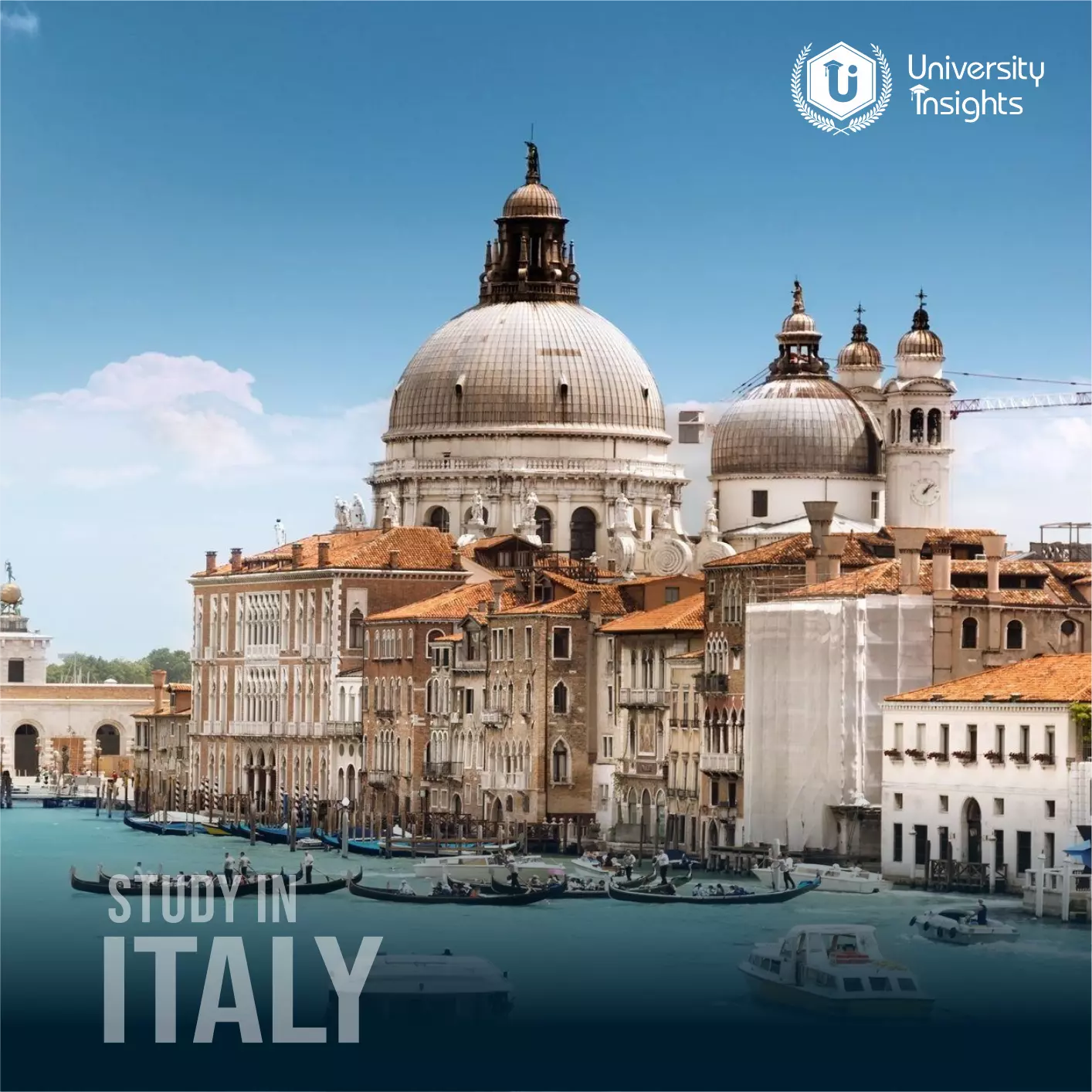
Study in Italy
Italy is an increasingly popular destination for international study, combining high-quality education with rich cultural heritage and comparatively low tuition fees. Indian students have started to flock to Italy in recent years, drawn by its affordable public universities and unique programs (like in design, architecture, arts, and also MBBS in English). Italy offers the chance to get a European degree while enjoying la dolce vita – the good life – with its art, history, and of course, amazing food!
Top Universities and Programs: Italy’s universities are some of the oldest in the world – the University of Bologna, founded in 1088, essentially began the tradition of Western higher education. Today, University of Bologna remains top-ranked globally (in top 200) and is popular for programs in law, arts, and science. Oth (70% of Indian students choose STEM fields abroad: Here is why Europe is their first option – The Times of India)rded institutions include Polytechnic University of Milan (Politecnico di Milano) – excellent for engineering, computer science, and design (ranked #1 in Italy, top 20 worldwide for design). Sapienza University of Rome, University of Padua, and University of Milan are also renowned comprehensive universities. Italy is particularly known for Architecture, Design, and the Arts – many international students come for fashion design programs at Politecnico di Milano or Accademia Costume & Moda in Rome, or for fine arts in Florence. But Italy is also strong in sciences: for instance, University of Trento and Scuola Normale Superiore di Pisa have strong research. Additionally, medical studies in Italy have gained popularity among international (including Indian) students due to the IMAT exam through which public Italian universities offer MBBS programs in English (at a fraction of the cost of private schools elsewhere). Courses in business and economics (Bocconi University in Milan is world-renowned for economics/management) attract many as well. In summary, Italy’s academic offerings are diverse – whether you’re inclined towards Renaissance art or cutting-edge robotics, there’s likely a program in Italy for you.
Tuition and Scholarships: One of the biggest advantages of studying in Italy is the low tuition fees at public universities, which are often income-based. On average, public university fees range from about €500 to €4,000 per year for international students, depending on your family income and the university’s fee structure. Students from lower-income backgrounds pay minimal amounts – Italy has a strong tradition of subsidizing education to promote access. For example, at the University of Bologna, the full annual tuition for a master’s program m (Indian Student Numbers in Germany to Skyrocket by 298% by 2030: Opportunities, Scholarships, and What’s Driving the Trend – Times of India) €3,000, but many non-EU students qualify for reductions or regional scholarships (some even study tuition-free). Prestigious universities like Politecnico di Milano cap their fees for non-EU students at around €3,900/year, which is relatively low for an engineering school of its caliber. Moreover, Italy offers generous scholarships: the Invest Your Talent in Italy program provides scholarships to students from select countries (including India) in certain master’s programs – this can include tuition waiver and a stipend. The Italian government and regional authorities also give scholarships (e.g., LazioDisco in Rome or DSU Tuscany) based on need or merit; these can waive tuition and even give allowances for living costs. It’s worth noting that some of Italy’s best universities charge very little – for instance, Sapienza University of Rome’s typical fees are under €1,000 for most courses, and if you win a scholarship, you pay almost nothing. In summary, Italy is one of the most affordable destinations in Europe, making it attractive for budget-conscious students who don’t want to compromise on quality.
Living costs in Italy vary by city. Major cities in the north (Milan, Rome) are more expensive, while smaller towns can be quite affordable. On average, you might need €700–€1,100 per month for living expenses as a student. This includes rent, food, transport, etc. For example, rent for a shared room or student dorm could be ~€300–€600 depending on city (Milan and Rome on the higher end; cities like Pisa or Naples on the lower end). Many students in Italy take advantage of inexpensive university cafeterias (a meal can cost €4–€6) and the general availability of fresh, cheap groceries (it’s quite possible to eat well on a budget in Italy). Transportation for students is discounted; many cities have monthly bus/metro passes for €20–€30. Italy also provides a bit of financial help to students: some regions offer housing assistance or meal vouchers. If you budget carefully – say, cooking at home often and using student accommodation – €800/month can suffice in many Italian cities. During visa application, Italy requires proof of financial means of about €448 per month (around €5,824 per year), which is a formal minimum figure; in reality, spending may be higher in expensive cities. But clearly, Italy is affordable relative to many Western European countries.
Language and Culture: Italian is the language of instruction for most bachelor’s programs, but Italy has been expanding its English-taught programs, especially at the master’s level. Currently, there are hundreds of degrees offered in English – for instance, Politecnico di Milano offers many MSc programs in English (Computer Engineering, Architecture, Management Engineering, etc.), University of Padua and University of Milan offer English-taught medical programs, Bocconi University teaches in English at both UG and PG level, and University of Bologna has various English medium degrees (in areas like International Relations, Biotechnology, etc.). Still, compared to Germany or the Netherlands, there are slightly fewer English options at the undergraduate level – so if you’re aiming for a bachelor’s in Italy, learning Italian might be necessary unless you pick one of the limited English bachelors (like in business or medicine). For postgraduate, you’ll find a good selection in English. Learning Italian is highly recommended if you study in Italy, not only to interact with locals and enjoy the culture fully, but also because it may be needed for internship or part-time job opportunities. Many Indian students find Italian somewhat easier to learn than some other European languages, since its pronunciation is straightforward and it shares some vocabulary roots with English. Universities often provide free or low-cost Italian language courses for international students. Culturally, Italians are very welcoming and family-oriented. As a student, you’ll likely experience a very social atmosphere – Italians enjoy gatherings, whether it’s a quick coffee between classes or an aperitivo (eve (Indian Student Numbers in Germany to Skyrocket by 298% by 2030: Opportunities, Scholarships, and What’s Driving the Trend – Times of India) drink) with friends. Expect a slightly more relaxed pace of life (except when driving – Italian traffic is chaotic!). Embracing the local culture by learning some Italian will make your experience richer – imagine being able to chat with that friendly nonna (grandma) at the local market about which cheese to buy.
Work and Career: Italy allows international students to work part-time up to 20 hours per week during studies (you may need a work permit Nulla Osta, but the process is straightforward once you have a residence permit). While jobs like tutoring, restaurant work, or university assistant roles are possible, knowledge of Italian greatly broadens job options locally. Many degree programs, especially at master’s level, include internships with Italian or international companies – this is a great way to gain experience and network. After graduation, Italy now offers a 12-month “stay-back” option similar to other countries. Graduates can apply for a Residence Permit for Job Search or Entrepreneurship for up to 1 year after completing their studies to look for work. To get this, you’ll need proof of about €5,824 (similar to the student proof) to cover your year and a plan for job seeking. Italy’s economy has strong industries in design, luxury brands (think Ferrari, Armani, Gucci), automotive (Ferrari, Lamborghini, Fiat), aerospace, life sciences (especially in the Milan-Turin area), and of course tourism/hospitality. While the Italian job market can be competitive and often Italian language skills are important, many international students do find opportunities, especially with multinational companies or research institutes. There is also an EU Blue Card route if you get a higher-paying job in Italy, and that can lead to longer-term residence. Another point – an Italian degree is respected across Europe, so some graduates leverage the Schengen access to look for jobs in other EU countries as well. The EU degree and the multilingual experience in Italy can give you an edge.
Student Life: Life in Italy as a student is truly an adventure. You’re living in the cradle of Western civilization – every city is like an open-air museum. On weekends you might find yourself exploring Roman ruins, admiring Renaissance art, or simply enjoying a gelato on a sunny piazza. Italian universities don’t always have mega-campuses like in the U.S.; often, faculties are spread across the city, which means you’ll feel integrated into the city’s life. You might have classes in centuries-old buildings one day and in modern labs the next. There’s a strong sense of community among students – Italian students are generally helpful and curious about other cultures, so you can make local friends if you try (you might even get invited home for a Sunday family lunch!). Many universities have the Erasmus Student Network and other international societies to bring local and foreign students together. Food will undoubtedly be a highlight – from authentic pizza and pasta to regional specialties, you will eat well without breaking the bank (supermarkets and pizzerias are quite affordable). Italy is also a great base to travel – within Italy you must visit landmarks like the Colosseum, Venice’s canals, Florence’s art galleries, the Amalfi coast, etc. Internationally, Switzerland, France, Austria, and Slovenia border Italy – easy to travel by train or budget airlines. Climate is a plus too: Italy has a mostly Mediterranean climate (especially central and south), meaning enjoyable spring and autumn seasons, hot summers, and mild winters (except in the Alps). Lastly, Italy’s blend of modern lifestyle and old-world charm provides a unique, enriching student experience – it’s common to find cutting-edge research happening in a campus building that’s hundreds of years old.
(Internal link suggestion: You can refer to our Study in Italy guide for detailed info on applying (including the pre-enrollment via Uni-Italia), scholarships like Invest Your Talent, and tips on living in Italy.)
Study in Sweden
Sweden is a top destination in Northern Europe known for its innovative education, advanced research, and progressive values. It consistently ranks high on quality of life indices, and its universities are globally recognized, especially in fields like engineering, environmental science, and technology. For students seeking a forward-thinking, English-friendly environment, Sweden is a fantastic choice. Indian students form a growing community in Sweden’s universities, drawn by the country’s emphasis on sustainability, startup culture (the land of Spotify, IKEA, Volvo!), and scholarship opportunities.
Top Universities: Despite its smaller population, Sweden has several universities in the world’s top 200. Karolinska Institutet in Stockholm is world-famous for medical and health sciences (it awards the Nobel Prize in Medicine). KTH Royal Institute of Technology and Chalmers University of Technology are leading engineering schools, especially strong in telecom, electrical, and mechanical engineering. Lund University and Uppsala University are among the oldest (dating from the 15th–17th centuries) and are comprehensive universities highly ranked for a variety of subjects from natural sciences to humanities. Stockholm University and University of Gothenburg also have many well-regarded programs. Sweden’s teaching style emphasizes group work, critical thinking, and practical problem-solving – expect a lot of project work often tied to real-world industry problems. For example, if you study sustainable energy at Uppsala or wind power at Gotland, you’re in a country that’s a global leader in clean energy, which adds immense value to your education.
Language and Programs: One big advantage – almost all Swedes speak fluent English, and Swedish universities offer a wide range of degrees in English. There are over 1,000 English-taught programs across Swedish institutions (mostly at master’s level). For instance, you can do an entire M.Sc. in Environmental Engineering or Data Analytics in English. Bachelor’s programs in English are fewer but still available in select fields (some universities like Jönköping or Malmö offer English bachelor’s). Since Swedes begin learning English from a young age, you will find everyday life very easy without knowing Swedish. However, learning Swedish (70% of Indian students choose STEM fields abroad: Here is why Europe is their first option – The Times of India) (Why are Indian students flocking to Germany? – The Economic Times)ered free to international students in many municipalities (“SFI – Swedish for Immigrants” courses). Knowing Swedish is not required for study or even necessarily for work (many international companies operate in English), but it could increase social integration and certain local job opportunities. Culturally, Swedes might seem reserved at first, but they are polite, helpful, and once you get to know them, very warm. The society values equality, sustainability, and “lagom” (moderation/balance). Classrooms are informal – professors often go by first name and encourage questions; you might even find yourself having a “fika” (coffee break) with professors and classmates regularly, as it’s a Swedish tradition to socialize over coffee and pastries.
Tuition and Scholarships: Sweden used to be tuition-free for all until 2011, after which it introduced fees for non-EU students. Tuition varies by program: generally, €8,000 to €15,000 per year for most master’s programs (in SEK, roughly 80,000 to 150,000 SEK/year). Programs in the humanities or social sciences might be at the lower end, while technical and MBA programs are at the higher end. For example, a Master’s in Computer Science at KTH might cost around 155,000 SEK/year (~€13,000), whereas a Master’s in English Literature at Uppsala might be ~100,000 SEK/year (~€8,500). It’s important to note that Sweden offers a lot of scholarships to cover these costs. The Swedish Institute Scholarships for Global Professionals (SISGP) is a prestigious award that covers full tuition and living stipend for talented students from specific countries (including India) – it’s highly competitive but definitely worth trying. Universities also have their own scholarships often ranging from 25% to 100% tuition waivers for international students, based on merit. About two-thirds of applicants to Swedish master’s programs get some discount or aid. Also, if you are applying for research (PhD) positions, note that PhD positions in Sweden are usually fully funded jobs with a salary, so no tuition for PhD and you earn while you study. Another factor: while the tuition might seem higher than say Italy or Germany, the quality of facilities and faculty is top-notch – Swedish universities frequently collaborate with industry (think Ericsson, Volvo, AstraZeneca, etc.), and you often have access to the latest technology and labs.
Living costs in Sweden are on the higher side, as is typical for Scandinavian countries. You should budget roughly €800 to €1,300 per month for living expenses depending on city and lifestyle. Stockholm is the most expensive (you might need €1,200+), whereas cities like Umeå or Lund might be closer to €800-900. The biggest expense is accommodation – student housing can range from 3,500 SEK to 6,500 SEK per month (≈€300-600). Many universities guarantee housing for international students or assist in finding it. Food and groceries: if you cook at home, it’s not too bad (similar to other Europe), but eating out is expensive (a restaurant meal might be €12-20). Public transport is efficient – monthly student passes might be ~€40-50 depending on city. Health insurance: if your program is longer than a year, you get a personal number which entitles you to Swedish healthcare like locals (very cheap/free), if shorter, you need private insurance (the university often provides it for the duration of studies). Overall, the Swedish migration agency requires you to show funds of SEK 10,584 per month for the visa/permit, which is about €1,000/month. This means ~€10,000 for 10 months or ~€12,000 for full year as proof. Many students also work part-time to supplement (more on that below). While living in Sweden isn’t cheap, many find that the high quality of life – clean environment, safety, convenience – makes it worth it.
Work and Career: Students in Sweden can work without any explicit hour limits on a student residence permit (unlike other countries, Sweden does not restrict you to 20 hours/week; you can work as long as it doesn’t interfere with your studies). In practice, managing full-time studies with too much work is tough, but you can certainly do a part-time job. Many international students find part-time work in cafes, restaurants, or as teaching/research assistants. Knowledge of Swedish, while not necessary for many tech or university jobs, will help for part-time gigs in service sectors. After graduation, Sweden currently allows you to extend your residence permit for up to 12 months to seek employment. This is a recent update in line with EU directives. During this job-seeking year, you can stay and work in any job as you look for something in your field. Sweden has a strong job market in areas like IT (Stockholm is sometimes called the “Silicon Valley of Europe”), renewable energy, biotechnology, automotive safety (think Volvo), and gaming (companies like Mojang of Minecraft fame). Many Swedish companies have English as corporate language, so non-Swedish speakers can get jobs, especially if you have in-demand skills. Additionally, many students leverage Sweden’s startup-friendly environment – if you have entrepreneurial ambitions, Sweden welcomes startups (it often ranks as one of the most innovative nations). The country’s work culture is known for flat hierarchies and good work-life balance (famous for its 5-6 weeks paid vacation for employees!). If you secure a job after studies, you can convert to a work permit and even bring dependents; after a few years of work and language learning, some stay long-term or get permanent residency. In short, Sweden offers a supportive bridge from study to work, with a year to find your footing and a network of innovative industries to tap into.
Student Life: Life as a student in Sweden is uniquely enjoyable. Expect a structured academic life (semesters, with perhaps 2 or 4 period divisions) but also plenty of free time for personal hobbies thanks to the emphasis on balance. Swedish student cities like Uppsala and Lund have rich student traditions – they have “nations” (student clubs dating back centuries) that organize activities, pubs, and events. Participating in a student nation is a great way to meet friends – imagine having formal balls, choir singing, club nights, and sittnings (traditional student dinners) as part of your routine. In bigger cities like Stockholm or Gothenburg, student life is more decentralized but there’s still a lot to do: concerts, outdoor sports (Sweden’s nature is gorgeous – lots of hiking, lakes, northern lights up north!). Also, you will experience the distinct seasons: short winter days with snow (great for trying skiing or watching the aurora in Lapland) and long summer days where the sun barely sets (the famous midnight sun in June/July in northern Sweden). Swedes make the most of summer with outdoor cafes, midsummer festivals (dancing around the maypole) – do join in these cultural festivities to feel the local vibe. International students often remark how accessible other European countries are as well – on breaks you might travel to nearby Finland, Norway (Oslo is a train ride from Stockholm), or take a cheap flight to Central Europe.
And we can’t forget fika! The Swedish custom of taking a break for coffee and a cinnamon bun or cookie is sacrosanct. Many workplaces and universities encourage fika brea (Five mistakes to avoid while applying to universities abroad | Student)oment to relax and socialize. Embracing fika culture will definitely (70% of Indian students choose STEM fields abroad: Here is why Europe is their first option – The Times of India)twork and make friends. Overall, as a student in Sweden you will study in an advanced environment, enjoy a welcoming society that communicates in English, and get to experience a Scandinavian lifestyle that is both modern and closely connected to nature.
(Internal link suggestion: Read our Study in Sweden guide for more on the application process via University Admissions, Swedish Institute scholarships, and adjusting to life in Sweden.)
Other Top European Destinations
Beyond the big five above, there are many other European countries that offer excellent education and are popular among international students, including Indians. Your choice will depend on your field of study, language preferences, and budget. Here are a few notable mentions:
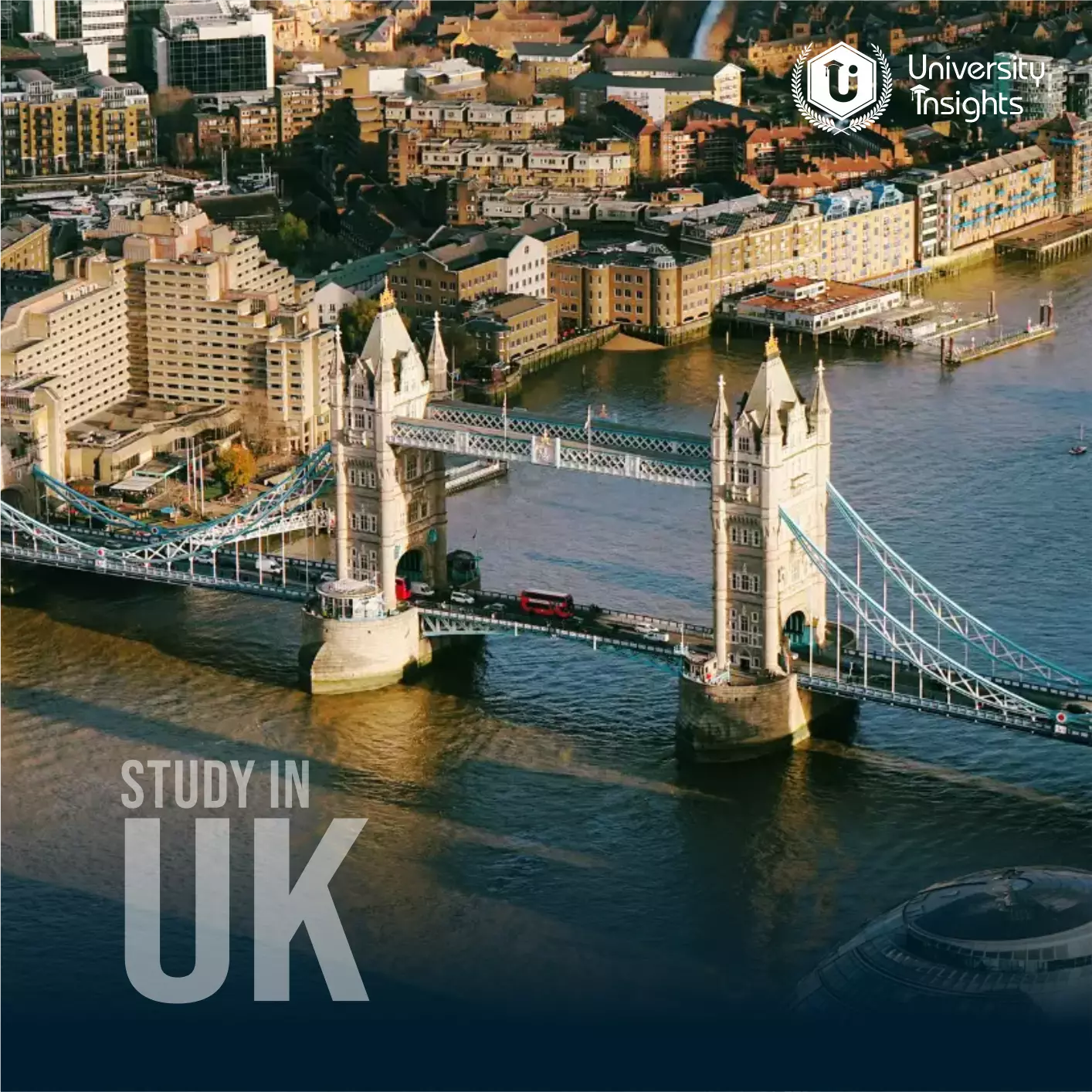
- United Kingdom: Although not part of the EU anymore, the UK is geographically in Europe and remains a top study destination (with ~150,000 Indian students in 2023). The UK has world-leading universities (Oxford, Cambridge, Imperial, etc.) and English as the medium of instruction. It offers a 2-year post-study work visa now. However, tuition and living costs are quite high, and visa policies differ from EU countries. Many Indian students choose the UK for its one-year master’s programs and global recognition. (See our separate UK guide if interested.)
- Ireland: Ireland (an EU nation) is an English-speaking country that has become very popular, especially for IT, pharmaceuticals, and business. Trinity College Dublin, University College Dublin, and University of Limerick are well-known. Irish universities have strong ties with the booming tech industry in Dublin (Google, Facebook, etc. have EU HQs there). For Indian students, the big plus is no language barrier and a welcoming work visa – Ireland offers 1 year stay-back for bachelor’s and 2 years for master’s graduates to seek jobs. Tuition is similar to UK (around €10k–25k/year), but Ireland is part of the EU system of education and has many scholarship schemes (including some specifically for non-EU). The culture is friendly (“hundred thousand welcomes” is literally a Gaelic slogan), and it’s a gateway to working in the EU and UK markets.
- Spain: Spain offers great universities like University of Barcelona, Autonomous University of Madrid, and IE Business School. It’s a fantastic place for those who want to study in Spanish, but it also has increasing English-taught offerings (particularly in business and international relations). Spain is relatively affordable – public university fees for non-EU students average €1,000–€3,000 per year for many programs (varies by region) and living costs can be moderate (except in central Madrid/Barcelona). The draw of Spain is the lifestyle (sunny weather, vibrant social life) and strong programs in fields like renewable energy, tourism and hospitality, and management. Post-study, Spain now also allows a job-search visa extension (recently up to 12 months). If you speak some Spanish or are keen to learn, Spain could be ideal.
- Central/Eastern Europe (Poland, Czech Republic, etc.): These countries are emerging hotspots due to low costs and good quality education. For example, Poland has universities like Jagiellonian University and Warsaw University of Technology. Many courses are in English, and Poland’s public universities often charge only €2,000–€5,000/year for English-taught programs. Cost of living is as low as €400–€700/month in Poland – significantly cheaper than Western Europe. Poland also offers a 9-month post-study job seeking permit. Hungary and Czech Republic similarly have low tuition and living costs, and are especially known for medical and engineering programs (Budapest University of Technology, Charles University in Prague, etc.). The trade-off can be that local languages are harder and not everyone speaks English fluently, but student life can be very enjoyable with a growing international community in these countries. There are also specific scholarship programs (e.g., Stipendium Hungaricum) enticing international students with fully-funded spots.
- Nordic countries (Finland, Norway, Denmark): Aside from Sweden, other Nordic nations are excellent for certain fields. Finland is known for top-notch education research (its K-12 system is famous) and programs in design and gaming (think Angry Birds/Rovio from Aalto University). Finland, like Sweden, has many English programs and a new 2-year post-study work visa. Denmark has highly ranked universities (University of Copenhagen, DTU, etc.) and strengths in life sciences, clean tech, and shipping; it also offers a 2-year stay-back scheme. Norway used to be a hidden gem because it had no tuition fees at public universities (and programs like at University of Oslo, NTNU, etc. in English), though as of 2023 Norway introduced tuition for non-EU – but if budget isn’t an issue or you get a scholarship, Norway’s quality of life and nature are unparalleled (Northern Lights while studying, anyone?). All these Nordic countries have high living costs but also very high standards of living and safe, well-organized societies.
- Switzerland: Home to ETH Zurich and EPFL (two of Europe’s top engineering schools – ETH is ranked the #1 university in continental Europe). Switzerland is ideal for those in STEM or hospitality (EHL and Les Roches are famous hospitality management schools). It’s expensive, but offers multilingual exposure (German/French/Italian regions). Many courses are in English at master’s level. For Indian students, scholarships like the Swiss Excellence Scholarships can help, but the student community is smaller compared to other countries.
Each European country has its unique advantages. Choosing the destination depends on factors like your field (e.g., if you’re into automotive engineering, Germany; fashion, France/Italy; marine engineering, maybe Netherlands or Norway; business, UK/France; medicine, perhaps Eastern Europe with English programs), language comfort, and where you see yourself enjoying life. Remember, thanks to the EU’s compatibility (the Bologna process), the degrees are recognized across Europe, and you often have the freedom to move for jobs within the EU after studying. In the next sections, we’ll discuss practical aspects – such as how to apply to these universities, admission requirements, costs, and so on – which largely apply across countries in Europe.
(Internal link suggestion: If you want to compare multiple countries, our article “Choosing the Best Country for Studying Abroad” provides a deep dive into factors for each, including some of the ones above.)